Kevin O’Leary reveals why 75% of his best returns come from women
Data proves more valuable than the product
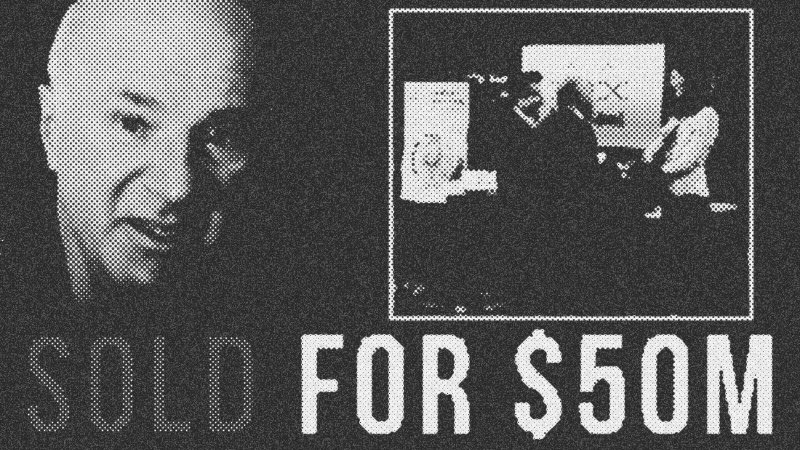
Kevin O'Leary admits that even seasoned investors can be blinded by initial impressions. He famously dismissed BasePaws, a cat DNA testing kit, as a "stupid idea" before its founder, Anna Skaya, forced a deal through sheer persistence. The investment yielded the highest internal rate of return in Shark Tank history. The pivot? The value wasn't in the $29 kits, but in the massive genomic database Skaya built. A pharmaceutical giant eventually acquired the company for its data, proving that a business's secondary assets often outweigh its primary offering.
Women founders dominate the O’Leary portfolio
Statistical analysis of 15 years of investment data reveals a striking trend: 75% of O'Leary’s successful exits were led by women. This isn't coincidence, but a result of superior goal-setting and execution. While male entrepreneurs in his portfolio often set aggressive 30% growth targets and missed them, female founders set more attainable 17% targets and hit them 95% of the time. This reliability creates a "sticky" corporate culture, reducing the turnover of key staff like heads of sales or logistics, which is often the death knell for a small startup.
Personality kills more deals than bad math
Investors don't just buy into numbers; they buy into the person behind them. O'Leary notes that 90% of the time, a rejection on the show is due to the entrepreneur's personality rather than the product. Inability to communicate or a lack of executional skills creates a barrier that no valuation can overcome. The stress of the environment acts as a filter; if a founder chokes under the pressure of twenty cameras, they likely won't survive the brutal realities of scaling a global business.
Valuation greed destroys once-in-a-lifetime partnerships
Many founders sabotage their future by quibbling over equity during the pitch. O'Leary points out the massive disparity in leverage: a Shark Tank deal can change an entrepreneur's life through instant brand recognition and retail relationships, but a single deal rarely changes the Shark's life. Founders who refuse to acknowledge this reality are often dismissed not for their price tag, but for the lack of self-awareness that valuation indicates.
- Anna Skaya
- 9%· people
- BasePaws
- 9%· products
- Dani Vilagie
- 9%· people
- Hickory Farms
- 9%· companies
- Kevin O'Leary
- 9%· people
- Other topics
- 55%
The Most Successful Products in Shark Tank HISTORY | Kevin O'Leary
WatchThe Iced Coffee Hour Clips // 10:08

Official Clips Channel of the Iced Coffee Hour Podcast. All of the Iced Coffee Hour Clips are posted here for your enjoyment! Podcast hosted by Graham Stephan and Jack Selby. Jack Selby: https://www.instagram.com/jlsselby/ Graham Stephan: https://www.instagram.com/gpstephan/