The High Cost of Disruption: Security, Vetting, and Success Indicators in Finance Media
The Visibility Trap
Scaling a brand requires eyes, but massive visibility brings unintended liabilities. Caleb Hammer built Financial Audit on the raw, aggressive honesty of roasting terrible money habits. However, branding his physical studio door with the company logo transformed a creative hub into a target. In the creator economy, the line between fan and fanatic is razor-thin. Disruption demands a public face, but smart operators are now pivoting toward anonymity to protect their physical infrastructure from the very audience they serve.
Armed Security and Digital Backlash
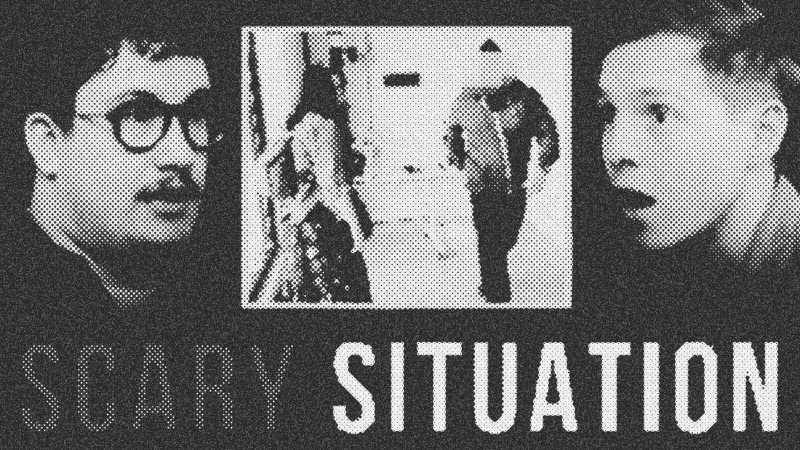
Personal finance is an emotional powder keg. When you tell people to be responsible, they often view it as a personal threat. This volatility has forced creators like Hammer to invest in armed security and advanced home defense systems. Death threats are no longer outliers; they are a cost of doing business in a polarized digital environment. The "roast" culture, while lucrative for engagement, attracts mentally unstable participants who may not follow the logical rules of a produced show, making robust vetting a non-negotiable operational expense.
Vetting for Volatility
Risk management starts long before the cameras roll. Hammer’s team now utilizes background checks and internet history audits to filter out "red flag" guests. The goal is to identify individuals who lack the mental stability to handle public criticism. By rejecting high-risk participants, a production protects its staff and its brand from potential litigation or physical violence. This rigorous screening process ensures that the "crazy" remains entertaining rather than dangerous.
Past Behavior as a Performance Predictor
The strongest predictor of financial turnaround isn't a high income; it's a history of overcoming unrelated friction. Hammer notes that guests who have conquered massive weight loss or completed grueling degrees without support are the most likely to fix their finances. They possess the capacity to endure "uncomfortable months" to achieve a long-term goal. Conversely, those who play the "deflection game"—promising future change without a history of execution—rarely succeed. True growth requires a track record of grit, not just verbal compliance.
- Caleb Hammer
- 17%· people
- Charlie Kirk
- 17%· people
- Financial Audit
- 17%· tv shows
- Graham Stephan
- 17%· people
- Jack Selby
- 17%· people
- OmniWatch
- 17%· companies
Why Caleb Hammer Had to Hire ARMED SECURITY
WatchThe Iced Coffee Hour Clips // 8:26

Official Clips Channel of the Iced Coffee Hour Podcast. All of the Iced Coffee Hour Clips are posted here for your enjoyment! Podcast hosted by Graham Stephan and Jack Selby. Jack Selby: https://www.instagram.com/jlsselby/ Graham Stephan: https://www.instagram.com/gpstephan/