Andrew Yang warns of populist backlash as capitalism alienates 90% of Americans
The erosion of the primary system
The traditional American primary, once a cornerstone of democratic vetting, is increasingly becoming a formality designed to protect incumbents. Andrew Yang notes that both major parties now frequently stifle internal competition. In 2020, the Republican Party curtailed contests to favor Donald Trump, and the Democratic Party followed suit in 2024. This institutional consolidation limits the entry of innovative ideas, forcing candidates into rigid ideological boxes or independent runs like Robert F. Kennedy Jr.
The rise of the social media political athlete
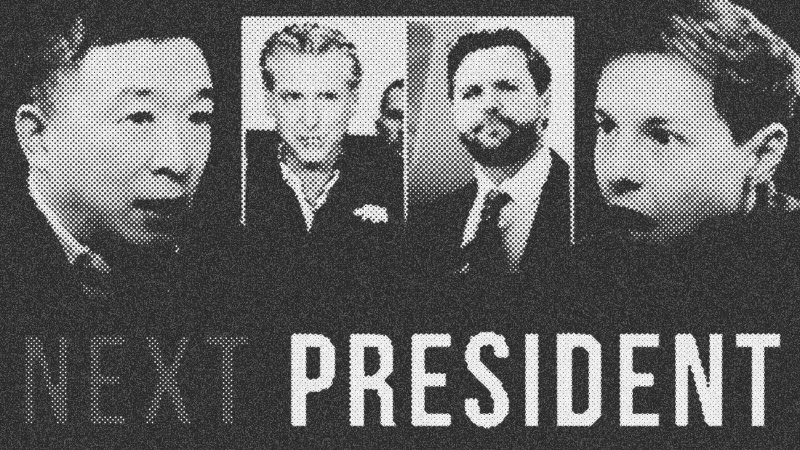
Modern political success now demands an "IT factor" that translates across digital platforms. This "political athleticism" is exemplified by Gavin Newsom, whom Yang describes as a dominant presence in any room. In local races, candidates like Zohran Mamdani utilize social media to build movements among younger demographics. While charisma can drive engagement, it often prioritizes optics over the fiscal viability of policies. The danger lies in charismatic leaders winning elections by appealing to a thin majority while implementing economically disruptive measures.
Capitalism at a breaking point
The most pressing risk to long-term wealth stability is the growing perception that capitalism has left 90% of the population behind. When the majority of citizens feel excluded from economic growth, the political pendulum inevitably swings toward extreme redistribution. This shift threatens to stifle innovation through heavy wealth taxes and increased regulation. Yang argues that wealthy entrepreneurs must practice enlightened self-interest—making the system work for the bottom 80%—to prevent a total systemic rejection that would ultimately dismantle the structures of wealth creation themselves.
Fiscal reality versus populist appeal
Populist policies like rent control or government-run grocery stores often sound appealing on paper but risk long-term economic damage. Yang critiques the "free bus" initiative as a potential strain on infrastructure that could degrade services for the working class. The challenge for future leaders is balancing the urgent need for social safety nets, such as subsidized childcare, with the necessity of maintaining a functioning market economy. Without a clear path to inclusion, the coming cycles will likely see a rise in candidates who prioritize punitive fiscal measures against the successful over sustainable growth.
- Andrew Yang
- 9%· people
- Democratic Party
- 9%· organizations
- Donald Trump
- 9%· people
- Fabric by Gerber Life
- 9%· products
- Gavin Newsom
- 9%· people
- Other topics
- 55%
Andrew Yang Predicts the NEXT Presidential Election…
WatchThe Iced Coffee Hour Clips // 11:24

Official Clips Channel of the Iced Coffee Hour Podcast. All of the Iced Coffee Hour Clips are posted here for your enjoyment! Podcast hosted by Graham Stephan and Jack Selby. Jack Selby: https://www.instagram.com/jlsselby/ Graham Stephan: https://www.instagram.com/gpstephan/