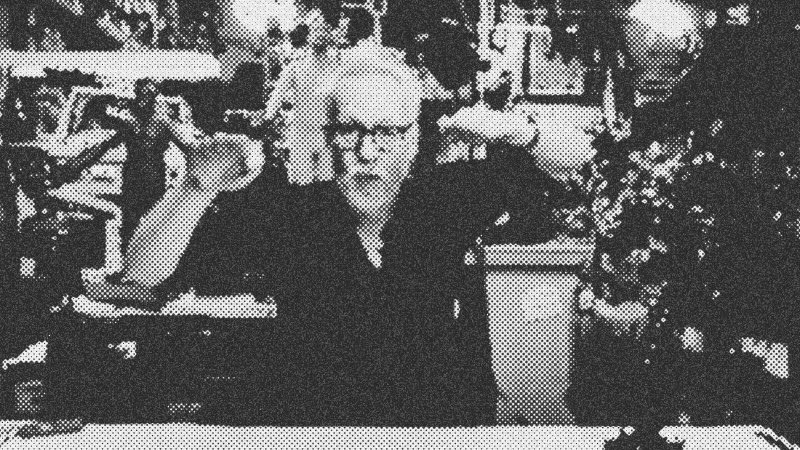
Adam Savage explains why point of view beats creativity in problem solving
The Problem With the C-Word
We often treat creativity like a mysterious fuel gauge that fluctuates based on mood or talent. I have always found that framing to be useless when you are staring at a pile of components and a deadline. Adam Savage argues that the word "creativity" actually means nothing in a practical context. You do not sit down at a workbench to "be creative"; you sit down to solve a specific aesthetic or technical problem. By reframing the process as problem-solving, you transform a nebulous concept into a series of actionable steps that can be honed like any other mechanical skill.
Developing Your Unique Point of View
Instead of chasing creativity, focus on developing a point of view. During his time on Mythbusters, Savage realized that true insight comes from dumping massive amounts of information into your brain until it starts asking its own questions. Whether it was researching aerodynamics or the viscosity of syrup, he waited for that "tick" in his head—the moment where he noticed a gap in the data or a unique angle. That moment is your point of view showing up. It is the signal that you finally have something unique to contribute to the build.
The Breadcrumb Method of Execution
You do not need a complete blueprint to start. Optimization happens in the trenches. Savage advocates for a "next step" philosophy: if you are stuck on one part of a build, zoom out and find a different section where your point of view is clear. Solve that smaller problem first. This creates a trail of breadcrumbs that leads you through the execution. You are not waiting for a lightning bolt; you are chasing the technical and aesthetic choices that feel right in the moment.
Embracing the Lifelong Workbench
Building tech is a conversation with yourself that never ends. Every machine you build tells you something about your own aesthetics and technical priorities at that specific point in time. If you look at a custom rig you built a year ago, it will offer new lessons about your growth. This commitment to the workbench is not a "grind"; it is a continuous evolution of your ability to see the world and solve the problems within it.
- Adam Savage
- 13%· people
- Grant Imahara
- 13%· people
- Jamie Hyneman
- 13%· people
- Kari Byron
- 13%· people
- Mythbusters
- 13%· tv shows
- Other topics
- 38%
Why Creativity Means Nothing
WatchAdam Savage’s Tested // 11:00

Adam Savage’s Tested is a content platform and community playground for makers and curious minds. On Tested.com, the highly- engaged Tested YouTube channel, and at conventions and events, dynamic makers share ideas and inspire each other to build their obsessions. Led by Adam Savage, the Tested team explores the intersection of science, popular culture, and emerging technology, showing how we are all makers. Adam also takes viewers behind the scenes of films, TV shows, theater, and museums, shining a spotlight on the craftspeople and artists who make the magic we all enjoy. Tested is also: Norman Chan, Joey Fameli, Josh Self, Kristen Lomasney and Thomas Crenshaw.