The Liminal Workbench: Navigating Completion Depression and the Art of the Build
The Void After the Last Bolt
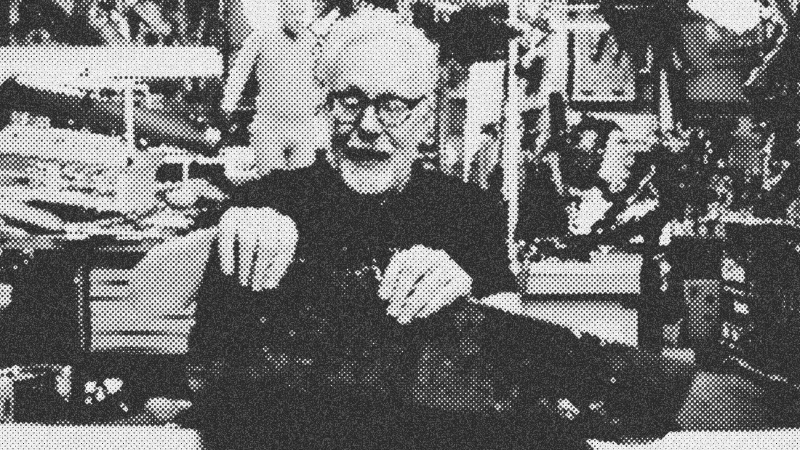
You spend months—sometimes years—hunched over a workbench, obsessing over tolerances and wiring diagrams. Then, the project is done. The machine hums to life, and suddenly, you feel a crushing emptiness. This is completion depression. It happens because that project wasn't just a physical object; it was a permanent resident in your mental landscape. When it's gone, it leaves a hole that feels like grief.
Insights from the Liminal Space
Adam Savage describes this transition as a liminal space. He draws on the poet Rainer Maria Rilke, who noted that sadness often stems from standing in a place where we cannot remain. The past project has left you, but the future hasn't taken hold yet. You are in between. This tension isn't something to drink away or avoid; it is exactly where your next evolution happens. If you stay attentive to that quiet, lonely sadness, you allow the next spark of inspiration to grow from within.
Destruction as a Constructive Force
Every time you cut into a sheet of aluminum or strip a wire, you are destroying one form to create another. In the shop, creation and destruction are two sides of the same coin. I often find that cleaning the shop is the ultimate bridge between projects. Tidying the workspace, rebuilding a shelf, or improving your shop's "flow" is a mental wipe of the previous parameters. It resets the stage. You aren't just cleaning; you are performing the ritual of returning to the status quo so you can begin again.
The Philosophy of Patina
There is a common urge to protect our creations from the world—to seal a leather keychain or a custom case in amber. Resist that. The Savage Workbench Key Fob is a perfect example. It carries the history of years of work. When you use it, let it gather the patina of your life, your rain, and your pocket. If it breaks, stitch it back together. That repair becomes part of its narrative. The most beautiful machines aren't the pristine ones; they are the ones covered in the patina of your enthusiasm.
Mindset for the Long Haul
Don't let the fear of finishing stop you from starting. Embrace the messy, destructive, and ultimately rewarding cycle of the maker's life. When the void opens up at the end of a build, grab a broom, fix a shelf, and wait. The future will take hold soon enough.
- Adam Savage
- 17%· people
- Dave Fogler
- 17%· people
- Mark Chu-Carroll
- 17%· people
- Rainer Maria Rilke
- 17%· people
- Savage Workbench Key Fob
- 17%· products
- Tested
- 17%· organizations
Adam Savage's Biggest Missed Opportunity
WatchAdam Savage’s Tested // 12:58

Adam Savage’s Tested is a content platform and community playground for makers and curious minds. On Tested.com, the highly- engaged Tested YouTube channel, and at conventions and events, dynamic makers share ideas and inspire each other to build their obsessions. Led by Adam Savage, the Tested team explores the intersection of science, popular culture, and emerging technology, showing how we are all makers. Adam also takes viewers behind the scenes of films, TV shows, theater, and museums, shining a spotlight on the craftspeople and artists who make the magic we all enjoy. Tested is also: Norman Chan, Joey Fameli, Josh Self, Kristen Lomasney and Thomas Crenshaw.