The Brutal Truth of Practical Physics: Why MythBusters Stands by Its Results
Navigating the Controversy of Mythic Science
There is no deeper satisfaction for a builder than looking at a finished machine and knowing exactly why it works—or why it failed. For years, MythBusters served as a masterclass in this kind of hands-on inquiry. However, when you put science on television, you are constantly balancing the rigorous demands of the scientific method against the relentless clock of production. Adam Savage recently revisited several iconic myths that viewers claimed were "wrong," providing a glimpse into the trade-offs between absolute precision and practical narrative.
The High Ground and Production Reality
When testing the Star Wars "high ground" advantage, critics noted that Adam Savage and Jamie Hyneman weren't exactly world-class duelists. While the team actually filmed professional fencers replicating the tests, those sequences were cut for time. In the editing room, the "gifts" of unexpected narrative beats often outweigh the clinical data of a third-party expert. The goal of the build is to demystify the core mechanic; sometimes, showing the struggle of the hosts provides more educational value than a polished professional performance.
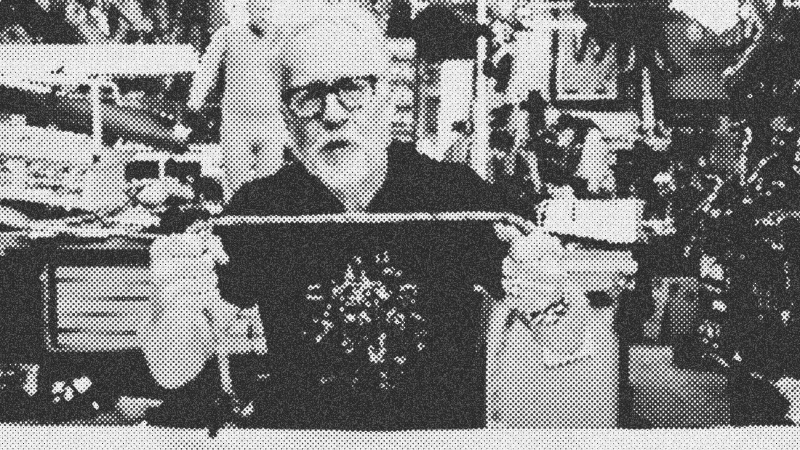
Killer Cable Snaps: Tension vs. Impact
One of the most contested results involves the "Killer Cable Snap." Skeptics argue that cutting a cable under tension with a hydraulic cutter, rather than pulling it to a natural breaking point, removes potential energy. This is a fundamental misunderstanding of the physics involved. Energy release in a tensioned braided steel cable is a function of the material's elastic limit. By cutting at 90% of the breaking strength, the team ensured maximum energy release in a predictable, measurable arc.
The real revelation here isn't the method, but the lack of empirical evidence. Despite endless anecdotal stories from the maritime community, no first-hand account of a cable "slicing" through a person exists in the research of Underwriters Laboratories or safety records. The impact is undoubtedly lethal, but the samurai-sword slicing effect remains a cinematic fiction.
Materials Matter: Newton’s Cradle and Flamethrowers
Not every build succeeds, and the massive Newton's Cradle is a prime example of material science limitations. Steel-filled concrete balls lack the energy-reflective properties of solid steel. Concrete absorbs kinetic energy, dampening the transfer that makes the desktop version so mesmerizing.
Similarly, the "Fire vs. Ice" experiment highlighted the terrifying energy density of gasoline. A flamethrower is a beastly machine because no battery can match the one-to-one energy relationship of liquid fuel. Managing these builds requires strict adherence to safety protocols, often resulting in the strategic destruction of key components to keep dangerous hardware out of the public sphere. It is about respect for the hardware and the raw power it unleashes.
- Adam Savage
- 17%· people
- 13 Ghosts
- 8%· movies
- Ballerina
- 8%· movies
- Final Destination
- 8%· movies
- Jamie Hyneman
- 8%· people
- Other topics
- 50%
Myths Viewers Say Adam Got Wrong (and His Response)
WatchAdam Savage’s Tested // 16:26

Adam Savage’s Tested is a content platform and community playground for makers and curious minds. On Tested.com, the highly- engaged Tested YouTube channel, and at conventions and events, dynamic makers share ideas and inspire each other to build their obsessions. Led by Adam Savage, the Tested team explores the intersection of science, popular culture, and emerging technology, showing how we are all makers. Adam also takes viewers behind the scenes of films, TV shows, theater, and museums, shining a spotlight on the craftspeople and artists who make the magic we all enjoy. Tested is also: Norman Chan, Joey Fameli, Josh Self, Kristen Lomasney and Thomas Crenshaw.