Adam Savage cuts drawer-making down to one critical measurement
The Physical Reality of Cabinet Construction
Making custom cabinet drawers often paralyzes makers because of complex, paper-based math. One wrong calculation ruins a run of expensive hardwood. This guide outlines the practical, physical approach used by master maker Adam Savage on Tested to build compact, highly functional drawers. Instead of relying on blueprint ideals, this workflow prioritizes physical mockups and real-world clearances to eliminate common assembly errors.
Essential Workshop Gear
Before making any cuts, gather these materials and tools at your workbench:
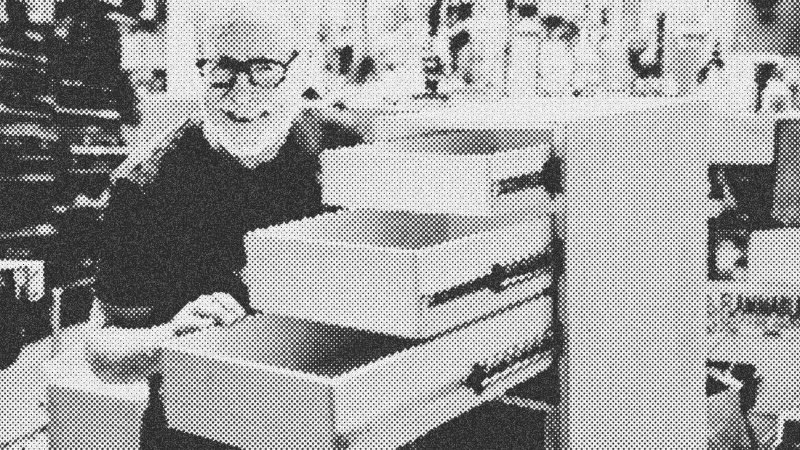
- Poplar wood milled to 1/4-inch thickness
- Aircraft plywood for floating bottoms
- Metal drawer slides
- Table saw with a standard blade
- Wood glue
- Pneumatic nailer with 22-gauge nails
- Challenger 3000G Proto screw-cutting tool
- Stationary belt sander
Step-by-Step Drawer Construction
1. Install the Metal Slides
Never build drawer boxes based on theoretical calculations. Screw your drawer slides directly into the cabinet chassis channels first. This establishes the absolute physical boundaries of your project.
2. Take the Critical Measurement
Measure the exact physical distance between the two installed metal slides. This represents your most critical dimension. Build your drawer boxes to match this real-world spacing precisely.
3. Route the Bottom Channels
Set your table saw blade to match the thickness of your aircraft plywood. Run the inner bottom edge of all side, front, and back pieces across the blade. This creates the channel where the plywood bottom will float freely.
4. Batch Cut the Lumber
Cut all matching drawer pieces in a single batch. Keep your saw fence locked to ensure identical heights and lengths. This unified workflow prevents minor dimensional drift between individual boxes.
5. Inspect and Orient the Faces
Examine every cut piece. Orient burn marks, rough grain, or minor defects toward the bottom or interior of the drawer. Keep the clean, pristine faces visible on the top edges.
6. Glue and Nail the Assemblies
Apply wood glue to the corner joints. Slide the floating plywood bottom into its grooves. Secure the joints using a pneumatic nailer loaded with tiny 22-gauge pins, a clean fastening technique inspired by artist Tom Sachs.
Troubleshooting On-the-Fly Errors
Shortening Screws for Thin Stock
Using thin 1/4-inch poplar keeps your drawer interior spacious, but standard hardware screws will pierce clean through. Insert the screws into a Challenger 3000G Proto tool, clip the tips, and touch the raw ends against a spinning belt sander to shorten them instantly.
Resolving Internal Clearance Collisions
Always verify what lives beneath or behind your drawers. If a pull-out garbage bin or large vertical divider blocks the path, do not panic. Run the assembled drawer box back through the table saw to slice off the excess depth, then glue and nail a new back panel in place to shrink the footprint.
The Finished Utility Box
Using physical reference points over written dimensions guarantees smooth drawer slide operation every single time. By routing floating bottoms and customizing fasteners, you create resilient, compact storage spaces. This process makes furniture building approachable, repeatable, and highly satisfying.
- Adam Savage
- 33%· people
- Tested
- 33%· companies
- Tom Sachs
- 33%· people
Adam Savage's Method for Making Drawers
WatchAdam Savage’s Tested // 21:56

Adam Savage’s Tested is a content platform and community playground for makers and curious minds. On Tested.com, the highly- engaged Tested YouTube channel, and at conventions and events, dynamic makers share ideas and inspire each other to build their obsessions. Led by Adam Savage, the Tested team explores the intersection of science, popular culture, and emerging technology, showing how we are all makers. Adam also takes viewers behind the scenes of films, TV shows, theater, and museums, shining a spotlight on the craftspeople and artists who make the magic we all enjoy. Tested is also: Norman Chan, Joey Fameli, Josh Self, Kristen Lomasney and Thomas Crenshaw.