Assembling the Totoro EVA Foam Kit: A Masterclass in Precision and Play
The Magic of Desktop Fabrication
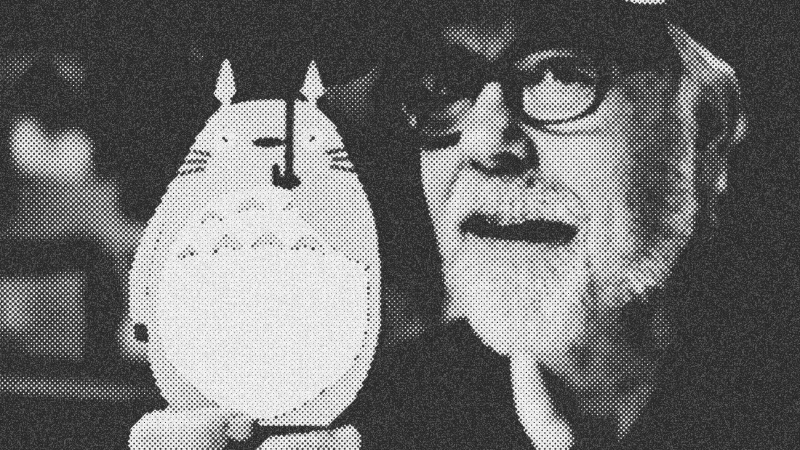
There is nothing quite like the satisfaction of a clean, well-engineered kit. When you strip away the need for heavy machinery and complex painting, you are left with the pure joy of assembly. This Totoro Project Kit kit, designed by world-class cosplayer Beverly Downen, represents the pinnacle of accessible desktop fabrication. Utilizing laser-cut EVA foam and 3D-printed accents, it transforms a flat material into a dimensional, soulful character. The beauty of EVA foam lies in its tactile nature; it is a forgiving, predictable material that moves under your hands with ease.
Essential Bench Tools
Before you start, clear your workspace. While the kit provides the primary components, you need two critical tools to bring the machine—or in this case, the forest spirit—to life: CA Glue and a pair of precision tweezers. Tweezers aren't just for people with shaky hands; they are essential for positioning 3D-printed pupils and whiskers without smearing adhesive across the foam’s surface. For the best finish, apply glue to the flat base of small parts rather than the mounting holes to prevent the adhesive from "squeegeeing" up and creating visible residue.
Eye and Belly Integration
The build begins with the eyes, which establish the character's personality. Push the 3D-printed pupils into the laser-cut foam openings until they sit perfectly flush. Next, address the iconic belly. This process involves removing the white foam chevrons from the belly piece and replacing them with gray inserts. These gray chevrons are intentionally sized slightly larger than the white cutouts to ensure a friction fit that feels professional and intentional. Once combined, press the entire belly assembly into the main body surround.
Dimensional Details and Finishing
To give the figure life, you must handle the arm lift and accessories. On the back of the body, align the 3D-printed arm lift; this component pushes the foam arm forward, allowing it to realistically hold the umbrella shaft. Attach the nose, right claw, and the six delicate whiskers using minimal CA glue. The final touch is the umbrella canopy. By sliding the shaved-down engraved panel underneath its neighbor, you create a conical parasol. Secure this to the shaft, mount the figure on its alignment-notched stand, and you have a completed piece of functional art. The result is a build that is as satisfying as any high-end hardware optimization.
- Adam Savage
- 17%· people
- Beverly Downen
- 17%· people
- CA Glue
- 17%· products
- Downen Creative Studios
- 17%· companies
- Studio Ghibli
- 17%· companies
- Totoro Project Kit
- 17%· products
Adam Savage Builds a Totoro!
WatchAdam Savage’s Tested // 15:53

Adam Savage’s Tested is a content platform and community playground for makers and curious minds. On Tested.com, the highly- engaged Tested YouTube channel, and at conventions and events, dynamic makers share ideas and inspire each other to build their obsessions. Led by Adam Savage, the Tested team explores the intersection of science, popular culture, and emerging technology, showing how we are all makers. Adam also takes viewers behind the scenes of films, TV shows, theater, and museums, shining a spotlight on the craftspeople and artists who make the magic we all enjoy. Tested is also: Norman Chan, Joey Fameli, Josh Self, Kristen Lomasney and Thomas Crenshaw.