Forging Authenticity: The Engineering of Quint’s Iconic Harpoon Rifle
The Forensic Art of Screen Matching
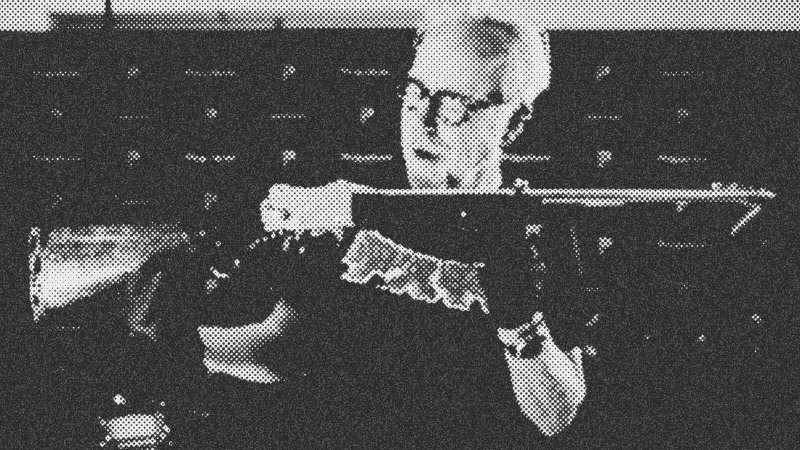
Identifying a film artifact requires more than just a certificate of authenticity; it demands a forensic approach to physical data. The process, known as screen matching, involves comparing high-resolution stills or 4K transfers of a film against the physical object in hand. In the case of Quint's Greener harpoon gun from Jaws, this starts with the organic fingerprint of wood grain. Because no two cuts of timber are identical, the specific swirls and knots in the stock serve as an unforgeable serial number.
Experts at the Propstore meticulously cross-referenced these grains along with unique accidental damage—specifically, a distinct set of cross-scratches on the green carrying case seen on the Orca. When the physical scratches on a fifty-year-old case align perfectly with the light washing across it in a scene featuring Robert Shaw, the provenance shifts from speculative to absolute. This level of detail elevates the item from a mere movie prop to a verifiable piece of cinema history.
Custom Fabrications and Secret tells
While the base Greener rifle was a commercially available product between the 1950s and 1970s, the Jaws production team introduced custom modifications that provide the ultimate "tell" for authenticity. Tucked away in the rifle’s original case is a crude, hand-fabricated hypodermic needle dart. This isn't a standard retail accessory; the prop department built it specifically to allow the harpoon to penetrate the shark's skin on screen without tearing it to shreds. The presence of Bondo and rough shop fabrication marks on this dart confirms the kit’s specific use in the 1975 production. It’s a messy, pragmatic solution—true to the spirit of hands-on prop making.
Mechanical Providence and the Auction Trail
The survival of these items is often a matter of logistical chance. The harpoon rifle surfaced through a 1990 Butterfield and Butterfield auction, where Universal Studios liquidated its internal armory. For decades, the rifle likely sat on actual boats, maintained for potential utility rather than preserved as an artifact. Similarly, Quint's Fenwick fishing rod was identified through unique hand-wrapped twine patterns and a 1973-1974 serial number code. These artifacts represent the pinnacle of collecting: items that define the visual language of the original blockbuster, finally verified through engineering data and historical record.
- Jaws
- 13%· movies
- Quint
- 13%· people
- Adam Savage
- 6%· people
- Brandon Allinger
- 6%· people
- Butterfield and Butterfield
- 6%· companies
- Other topics
- 56%
The Actual Harpoon Rifle from JAWS!
WatchAdam Savage’s Tested // 15:20

Adam Savage’s Tested is a content platform and community playground for makers and curious minds. On Tested.com, the highly- engaged Tested YouTube channel, and at conventions and events, dynamic makers share ideas and inspire each other to build their obsessions. Led by Adam Savage, the Tested team explores the intersection of science, popular culture, and emerging technology, showing how we are all makers. Adam also takes viewers behind the scenes of films, TV shows, theater, and museums, shining a spotlight on the craftspeople and artists who make the magic we all enjoy. Tested is also: Norman Chan, Joey Fameli, Josh Self, Kristen Lomasney and Thomas Crenshaw.