Forging History: The Technical Artistry of Wolfgang Grosschedel’s 16th-Century Armor
The Master of Landshut: A Workshop Perspective
Cinema often portrays the lone blacksmith hammering out a masterpiece, but the reality of 16th-century production mirrored a modern film crew’s collaboration. Wolfgang Grosschedel, the preeminent armorer of Landshut, functioned as an art director. His workshop relied on specialized artisans: polishers, strap makers, and dedicated etchers. This division of labor allowed for immense output without sacrificing the singular aesthetic vision found in the Freyberg Armor. Grosschedel’s mark on the steel represents a cohesive team effort rather than a solo performance.
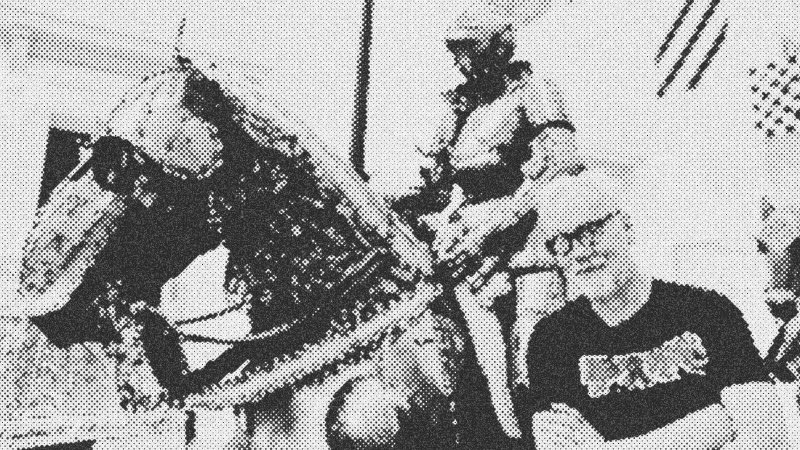
Graphical Whimsy in Etched Steel
The decorative elements on this suit defy the rigid, somber expectations of medieval combat gear. The etching displays a graphical style reminiscent of the 1960s pushpin era. Intricate floral patterns hide a surreal menagerie, including a rabbit playing a trumpet while riding a lizard. These details served as private jokes for the wearer, like a hidden "don't be a blowhard" motif etched onto the bagpipe-shaped belly of a figure on the gorget. It proves that even high-stakes military equipment functioned as a canvas for character and humor.
The Rigors of Modern Conservation
Preserving these artifacts requires reversing centuries of well-intentioned but flawed repairs. Associate conservator Sean Belair faced a mounting list of mechanical failures when preparing the suit for a new exhibit at The Metropolitan Museum of Art. Previous 18th-century restorations had replaced dynamic sliding rivets with static hinges, stripping the gauntlets of their lateral motion. Correcting this meant drilling out hardened rivets with surgical precision to avoid marring the original plates. This meticulous process ensures the armor functions not just as a statue, but as a mechanical garment capable of properly gripping a lance once more.
Engineering for the Field and Tournament
The Freyberg Armor is a modular masterpiece known as a garniture. By swapping out specific components—like the visor or the leg pieces known as cuises—the owner could transition from the battlefield to the tournament ring. This technical versatility highlights the sophisticated engineering required to make heavy steel both protective and adaptable across different high-pressure environments.
- Freyberg Armor
- 29%· products
- Adam Savage
- 14%· people
- Pankraz von Freyberg
- 14%· people
- Sean Belair
- 14%· people
- The Metropolitan Museum of Art
- 14%· companies
- Wolfgang Grosschedel
- 14%· people
Is This the PERFECT Example of Armor? (at @metmuseum)
WatchAdam Savage’s Tested // 12:06

Adam Savage’s Tested is a content platform and community playground for makers and curious minds. On Tested.com, the highly- engaged Tested YouTube channel, and at conventions and events, dynamic makers share ideas and inspire each other to build their obsessions. Led by Adam Savage, the Tested team explores the intersection of science, popular culture, and emerging technology, showing how we are all makers. Adam also takes viewers behind the scenes of films, TV shows, theater, and museums, shining a spotlight on the craftspeople and artists who make the magic we all enjoy. Tested is also: Norman Chan, Joey Fameli, Josh Self, Kristen Lomasney and Thomas Crenshaw.