Building Inertia: A Maker's Blueprint for Motivation and Shop Discipline
Forget the fancy specs sheet; it's what you build with your own hands that truly screams performance. There's a certain magic to bringing a machine to life, but even for seasoned pros, the hardest part of any project isn't the technical challenge—it's the friction of getting started.
The Psychology of Shop Infrastructure
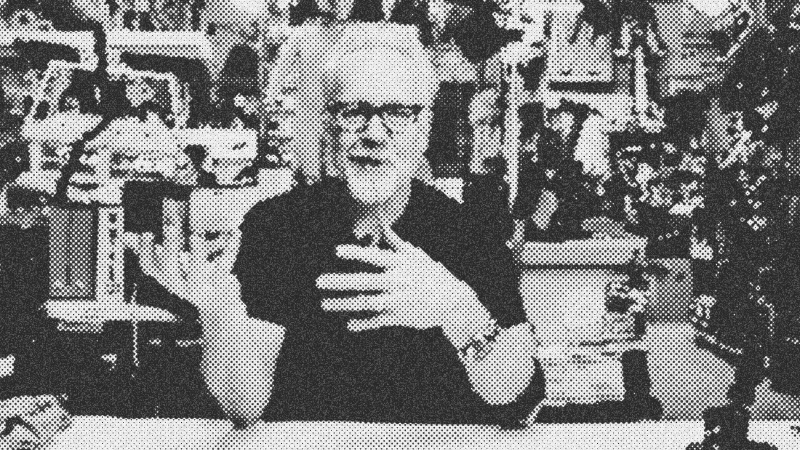
Building a workspace like The Cave isn't just about collecting tools; it's about reducing the cognitive load required to use them. Adam Savage emphasizes that an organized shop is a functional shop. He uses a rigorous indexing system for his Sortimo cases, taking photos of every drawer and building a cross-referenced Microsoft Excel database. This ensures that when inspiration strikes, you don't waste thirty minutes hunting for a specific size of rivet or eyelet. Efficiency is the enemy of procrastination.
Breaking the Inertia Barrier
We all face the "dog's breakfast"—a shop so messy it feels debilitating. The secret to self-motivation isn't waiting for a lightning strike of inspiration; it's about treating creativity like a muscle. If you work a technical day job, the transition to personal projects can be brutal. Breaking through that initial inertia, even for just an hour before the world wakes up, builds the stamina needed for long-term consistency. Adam Savage recalls using early morning flex hours at Industrial Light & Magic just to get his "yayas" on with personal builds before the professional grind began.
Automated Dust Retrieval and Fairness
Optimization often comes from frustration. Dealing with seven manual blast gates for dust collection is a friction point that slows down the making process. While the market for automated gates often demands exorbitant prices—sometimes up to $800 per gate—the DIY solution remains the ultimate goal. The ideal shop state is tool-specific automation: you flip a switch on the table saw, and the blast gate responds. It’s about creating an environment that supports your flow rather than interrupting it.
The Ritual of the Reset
Walking into a clean shop is a deeply pleasurable experience that sets the tone for a successful build. While the urge to flee the shop after finishing a long project is strong, pushing through to clean up at the end of the day is a gift to your future self. It removes the barriers to entry for the next session, ensuring that your "happy place" remains inviting rather than overwhelming. Whether you're making Christmas presents for Secret Santa or just tinkering, the shop reset is the final, essential step of every build.
- Adam Savage
- 20%· people
- Geena Davis
- 10%· people
- Industrial Light & Magic
- 10%· companies
- Microsoft Excel
- 10%· products
- Samuel L. Jackson
- 10%· people
- Other topics
- 40%
Feeling Unmotivated? Here's Some Advice
WatchAdam Savage’s Tested // 12:00

Adam Savage’s Tested is a content platform and community playground for makers and curious minds. On Tested.com, the highly- engaged Tested YouTube channel, and at conventions and events, dynamic makers share ideas and inspire each other to build their obsessions. Led by Adam Savage, the Tested team explores the intersection of science, popular culture, and emerging technology, showing how we are all makers. Adam also takes viewers behind the scenes of films, TV shows, theater, and museums, shining a spotlight on the craftspeople and artists who make the magic we all enjoy. Tested is also: Norman Chan, Joey Fameli, Josh Self, Kristen Lomasney and Thomas Crenshaw.