The Soul in the Machine: Navigating the Intersection of Automation and Handcraft
The Tension of Automated Precision
In an age where 3D printers and CNC routing can replicate complex geometries with terrifying ease, the modern maker faces a spiritual dilemma. Does the ease of automation dilute the "maker's high"? When software bridges the gap between thought and object, we risk losing the tactile struggle that defines true craftsmanship. Traditional craft relies on the friction between the artisan and the medium. Automation, while efficient, often strips away the "soul" of an object—that indefinable quality where one can sense that a human actually cared about the result.
Creeping Up on Perfection
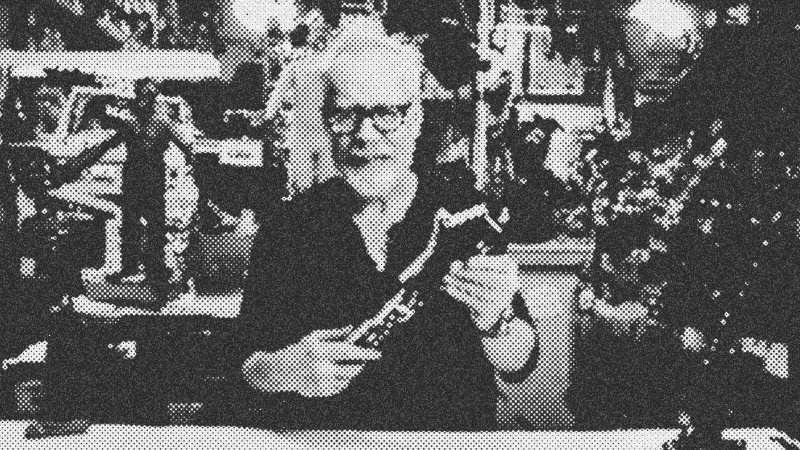
Precision is not a static destination reached by pressing a button; it is a discipline of gradually approaching the ideal. Observe the work of Ted Woodford, who uses hand chisels to find accuracy in lutherie. There is a specific, meditative joy in "creeping up" on a measurement. While a milling machine can hit a thousandth of an inch instantly, using manual tools like a Pantograph mill forces a slower, more intentional engagement with the material. This slower pace allows for the correction of factory imperfections and builds a deeper connection to the finished piece.
The Discipline of the Surface
Achieving a flawless metallic finish on MDF represents the peak of patience in the workshop. Large, flat, glossy surfaces are entirely unforgiving. To transform humble engineered wood into a mirror-like metallic object, one must embrace a grueling cycle: coat, wait, and sand. The secret lies in the base—the glossiest black possible—which requires multiple rounds of priming and 220-grit sanding until every witness mark vanishes. Even the environment must be controlled; spritzing water in the air to settle dust is a ritualistic necessity for a clean result.
Honoring the Human Hand
Ultimately, being tool agnostic allows us to use modern wonders without losing our heritage. We use Bondo and auto-body finishes to solve technical hurdles, but the goal remains the same: to create an object that can fool even its creator. When you hold a piece shaped by your own hands, it carries a weight that code cannot replicate. True empowerment comes from knowing when to let the machine do the heavy lifting and when to step in with a chisel to provide the soul.
- 3D printers
- 10%· products
- Adam Savage
- 10%· people
- Bondo
- 10%· products
- Chronova Engineering
- 10%· companies
- Earl Scheib
- 10%· companies
- Other topics
- 50%
Has 3D Printing Reduced Adam Savage's Maker's High?
WatchAdam Savage’s Tested // 13:45

Adam Savage’s Tested is a content platform and community playground for makers and curious minds. On Tested.com, the highly- engaged Tested YouTube channel, and at conventions and events, dynamic makers share ideas and inspire each other to build their obsessions. Led by Adam Savage, the Tested team explores the intersection of science, popular culture, and emerging technology, showing how we are all makers. Adam also takes viewers behind the scenes of films, TV shows, theater, and museums, shining a spotlight on the craftspeople and artists who make the magic we all enjoy. Tested is also: Norman Chan, Joey Fameli, Josh Self, Kristen Lomasney and Thomas Crenshaw.