How to Stabilize Fragile Artifacts Using Japanese Tissue and Digital Reconstruction
Preserving History Through Hybrid Engineering
Repairing a century-old artifact requires more than just a needle and thread. When a fragile Sunbonnet Sue quilt pattern quilt arrived at the National Park Service, it faced "inherent vice"—deterioration caused by its own construction—alongside light and pest damage. This guide details a cross-disciplinary approach that borrows from paper conservation to solve textile failures, ensuring the final result is reversible, identifiable, and aesthetically seamless.
Tools and Materials Needed
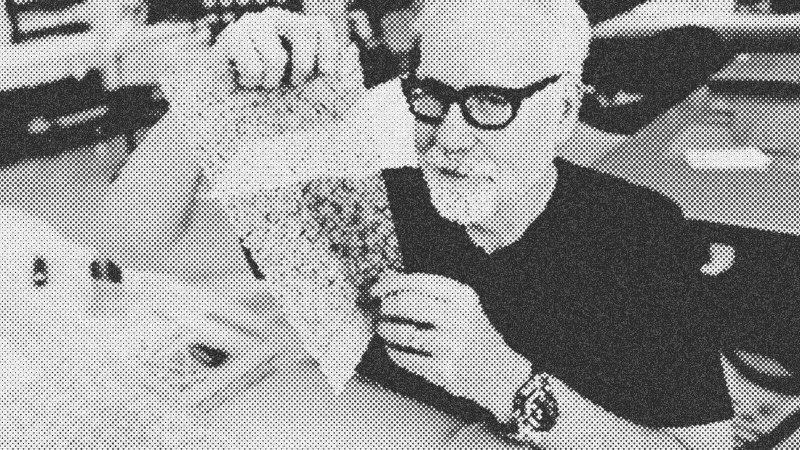
To execute this hybrid repair, you need specific materials that respect the integrity of the original object:
- Orvis Soap: A pH-neutral textile detergent.
- Japanese tissue: High-strength, long-fiber paper (approx. 5-6g per square meter).
- Digital Imaging Suite: High-resolution camera and Adobe Photoshop.
- Laser Printer: Crucial for permanent, non-bleeding toner.
- Cotton Batting: New material without optical brighteners for identification.
- Silk crepeline: A transparent, stabilizing silk mesh.
Step-by-Step Reconstruction Process
- Gentle Decontamination: Lay the textile flat on a specialized washing table. Use a sponge to dab water and Orvis soap through the fibers. Never wring or scrub; the goal is to float out yellowing deterioration products without mechanical stress.
- Digital Pattern Replication: Photograph a healthy section of the original pattern. In Adobe Photoshop, isolate the pattern and adjust the scale to match the damaged "loss" areas exactly.
- Laser Printing on Tissue: Secure a sheet of Japanese tissue to standard carrier paper using tape. Feed it through a laser printer. The toner won't off-gas or bleed, providing a stable, high-fidelity visual match.
- Structural Infilling: Insert new cotton batting into voids to restore volume. Hand-stitch the printed tissue over the holes using tiny, non-adhesive stitches. This ensures the repair is 100% reversible.
- Final Stabilization: Cover the entire surface with Silk crepeline. This sheer layer secures loose threads and provides a uniform protective barrier without dulling the artifact's vibrancy.
Tips and Troubleshooting
Always check for identifiability. Use materials that react differently to UV light; original batting often contains optical brighteners, while new batting does not. This allows future experts at the National Park Service to distinguish your work from the original. If a pattern looks too "perfect," slightly adjust the digital opacity before printing to match the aged patina of the surrounding fabric.
The Professional Outcome
By combining paper and textile techniques, you achieve a repair that disappears at a distance but remains honest up close. This method ensures the machine stays alive within the continuum of history, allowing the next generation of makers to reverse and improve upon the work as technology evolves.
- Adobe Photoshop
- 15%· products
- Japanese tissue
- 15%· products
- National Park Service
- 15%· companies
- Orvis
- 15%· products
- Silk crepeline
- 15%· products
- Other topics
- 23%
Using PAPER to Repair TEXTILE?
WatchAdam Savage’s Tested // 16:08

Adam Savage’s Tested is a content platform and community playground for makers and curious minds. On Tested.com, the highly- engaged Tested YouTube channel, and at conventions and events, dynamic makers share ideas and inspire each other to build their obsessions. Led by Adam Savage, the Tested team explores the intersection of science, popular culture, and emerging technology, showing how we are all makers. Adam also takes viewers behind the scenes of films, TV shows, theater, and museums, shining a spotlight on the craftspeople and artists who make the magic we all enjoy. Tested is also: Norman Chan, Joey Fameli, Josh Self, Kristen Lomasney and Thomas Crenshaw.