Favreau shifts Star Wars back to practical sets and kit-bashed props
The return of tangible craftsmanship in the digital age
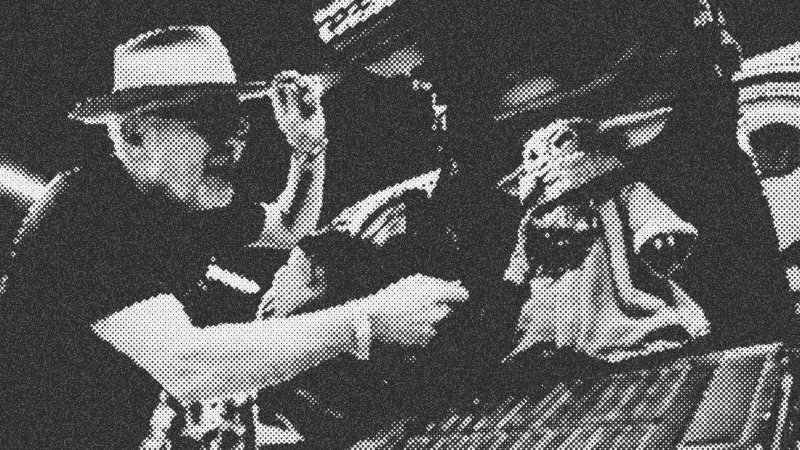
Filmmaking often leans on digital shortcuts, but director Jon Favreau is steering The Mandalorian and Grogu back toward the physical world. In a visit to the production's secretive Los Angeles sets, Adam Savage explored the intersection of high-end technology and old-school grit. The production operates out of historic Quonset huts—structures that once housed Howard Hughes' aircraft and the hot rod shops of "Thunder Alley." This choice isn't just sentimental; it anchors the production in the same mid-century industrial aesthetic that sparked George Lucas' original vision for a "lived-in" universe.
Kit-bashing the world through Thunder Alley heritage
At the heart of this approach is "kit-bashing," a technique where model makers combine parts from various commercial kits to create something entirely new. Jon Favreau has scaled this philosophy up from small models to entire soundstages. The production team, including Amanda Serino and Andrew Jones, sources authentic World War II tech and vintage engine components, such as Rolls-Royce Derwent jet engines, to serve as set dressing and prop foundations. This commitment to physical reality ensures that when actors interact with their environment, they are touching real metal, switches, and grime, rather than staring at green screens.
Lighting the volume with interactive physics
While the series is famous for The Volume—a massive LED video wall—the focus has shifted toward using it as a sophisticated lighting tool. By driving the video walls with gaming technology and Nvidia GPUs, the crew generates real-time reflections on metallic surfaces like The Mandalorian's armor. This eliminates the need to "paint out" reflections of a film crew that would occur on a traditional set. For the film, Jon Favreau has emphasized full set builds over digital extensions, allowing for a "neon noir" look in Los Angeles locations that rivals the depth seen in classics like Blade Runner.
The accidental evolution of the Grogu puppet
One of the production's most significant successes, Grogu, was never intended to be a purely practical star. Initially, the puppet built by Legacy Effects was meant only for lighting reference or background shots. However, as the team added more servos and refinement, the puppet's personality became undeniable. Jon Favreau recalls director Werner Herzog calling the crew "cowards" for even considering a digital replacement. This led the team to intentionally limit their CG models to match the physical constraints and "wonkiness" of the puppet, ensuring a consistent, tangible performance that resonates with audiences on an emotional level.
Bridging the gap for a new generation
As the franchise returns to the big screen, the challenge lies in balancing deep-cut lore for long-time fans with a clean entry point for newcomers. Jon Favreau views the production as a massive "playset" where the primary goal is clear storytelling. By utilizing everything from Apple Vision Pro for remote collaboration with John Knoll to Phil Tippett’s stop-motion expertise, the production blends eras of cinematic history. The result is a film that feels both technologically advanced and remarkably handmade, aiming to capture the same swashbuckling wonder that defined the original trilogy.
- Jon Favreau
- 19%· people
- Adam Savage
- 4%· people
- Amanda Serino
- 4%· people
- Andrew Jones
- 4%· people
- Apple Vision Pro
- 4%· products
- Other topics
- 65%
Adam Savage Behind the Scenes of Star Wars: The Mandalorian and Grogu!
WatchAdam Savage’s Tested // 20:25

Adam Savage’s Tested is a content platform and community playground for makers and curious minds. On Tested.com, the highly- engaged Tested YouTube channel, and at conventions and events, dynamic makers share ideas and inspire each other to build their obsessions. Led by Adam Savage, the Tested team explores the intersection of science, popular culture, and emerging technology, showing how we are all makers. Adam also takes viewers behind the scenes of films, TV shows, theater, and museums, shining a spotlight on the craftspeople and artists who make the magic we all enjoy. Tested is also: Norman Chan, Joey Fameli, Josh Self, Kristen Lomasney and Thomas Crenshaw.