How to Replicate a Long-Lost Patterned Fabric
Reviving the Edison Velvet
When dealing with historical artifacts like the chairs from the Edison National Historical Park, you don't just find replacement parts on a shelf. You have to manufacture them. The mission here is to replicate a unique, pebbly textured velvet pattern for aesthetic compensation. We aren't aiming for a perfect "magic trick" repair that hides the history. Instead, we want to make the object look cared for while allowing the conservation to remain a documented part of its story. This guide breaks down the ingenious cross-disciplinary process used by the National Park Service Museum Conservation Lab.
Tools and Materials Needed
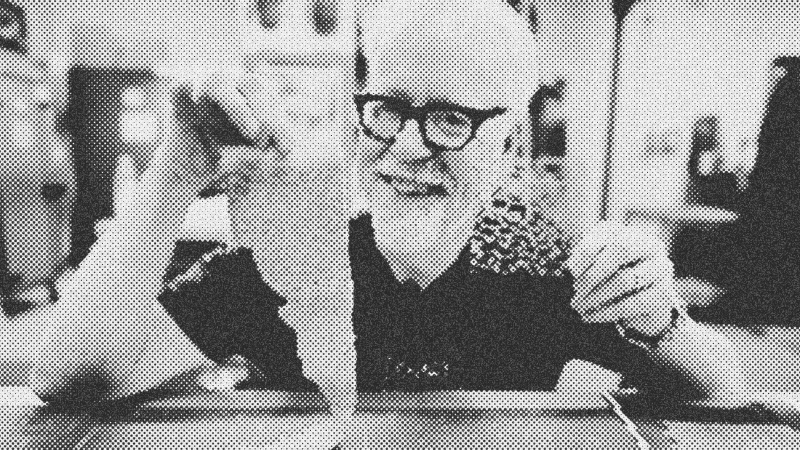
To pull off this high-level replication, you need a mix of digital and analog gear. High-resolution photography and Adobe Photoshop are essential for pattern distillation. For the hardware, gather a sheet of brass, a jeweler’s saw (piercing saw), and a drill. For the textile work, you'll need undyed 100% cotton velvet, heat-set textile paints, water, and a standard iron.
Step-by-Step Restoration Instructions
- Pattern Extraction: Photograph the original fabric and use Adobe Photoshop to increase contrast. Clean up the edges to create a tileable square pattern.
- Fabricating the Brass Template: Adhere your printed pattern to the brass sheet. Drill holes into the internal spaces. Use the jeweler’s saw to painstakingly cut out the negative space by hand. This provides a durable, heat-resistant texture stamp.
- Color Matching and Application: Mix textile paints to match the weathered fabric. Remember that light damage and dirt create varied tones—often shifting toward "dusty orange" or pinker hues.
- Heat Imprinting: Spritz the undyed velvet with water and apply wet paint. Flip the fabric onto the brass template and press with an iron for several minutes. The combination of heat, moisture, and paint sets the impression into the fibers.
Tips and Troubleshooting
Nap orientation is everything. Velvet looks like a different color depending on which way the pile faces. Always check the reflectance against the original chair before cutting your final shape. If the impression isn't sticking, verify the fiber content; while synthetic fibers melt and hold patterns easily, cotton requires the paint-and-heat method to maintain its texture.
Conclusion
By the end of this process, you will have a custom-textured fill that bridges the gap in the original upholstery. This technique successfully restored seven pieces in the Thomas Edison collection, proving that a little metalworking and digital magic can save even the most specialized textiles.
- Adobe Photoshop
- 25%· products
- Adam Savage
- 13%· people
- Daisy Greenwell
- 13%· people
- Edison National Historical Park
- 13%· places
- Maeve O'Shea
- 13%· people
- Other topics
- 25%
How to Replicate a Long-Lost Patterned Fabric
WatchAdam Savage’s Tested // 12:35

Adam Savage’s Tested is a content platform and community playground for makers and curious minds. On Tested.com, the highly- engaged Tested YouTube channel, and at conventions and events, dynamic makers share ideas and inspire each other to build their obsessions. Led by Adam Savage, the Tested team explores the intersection of science, popular culture, and emerging technology, showing how we are all makers. Adam also takes viewers behind the scenes of films, TV shows, theater, and museums, shining a spotlight on the craftspeople and artists who make the magic we all enjoy. Tested is also: Norman Chan, Joey Fameli, Josh Self, Kristen Lomasney and Thomas Crenshaw.