Organizing Chaos: Building a High-Density Shop Storage Rack
Mastering Shop Flow with Modular Storage
Nothing kills shop momentum faster than searching for a specific chemical or tool across three different rooms. In any dense workspace, Adam Savage identifies the "no man's land"—those awkward spaces where items get stacked without logic, rendering the vertical space useless. To fix this, we're building a dedicated storage rack to consolidate disparate supplies into a single, accessible location. This guide transforms a messy shelf into an organized hub using IKEA Samla bins and basic lumber.
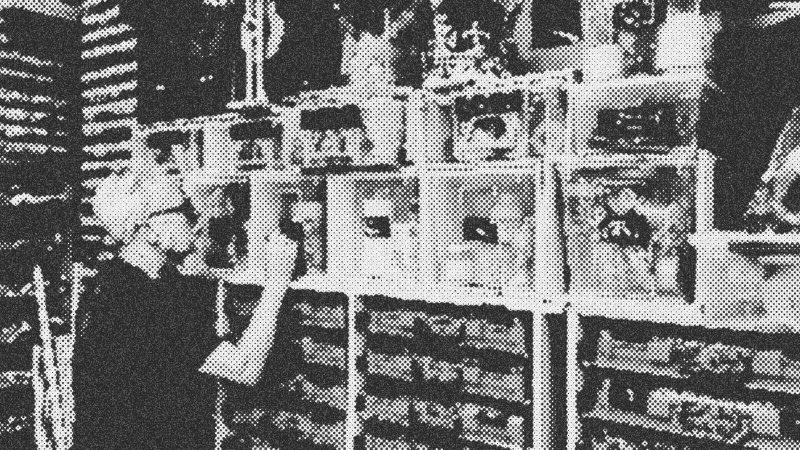
Tools and Materials Needed
- Storage Bins: IKEA Samla bins (8-count) with lids.
- Lumber: 3/4-inch plywood or scrap wood for the frame and vertical supports.
- Fasteners: Wood screws and wood glue.
- Measuring Tools: Tape measure, square, and marking pencil.
- Power Tools: Table saw or circular saw, and a drill/driver.
Step-by-Step Construction
- Draft and Measure: Measure your available shelf space and the dimensions of the IKEA bins. For this build, we are aiming for a stack seven bins high. Calculate the total height, accounting for the lid thickness and a small gap for easy sliding.
- Cut the Structure: Rip your lumber to a 12-inch depth. Cut the vertical side panels to your calculated height and prepare horizontal shelves or cleats to support the bins.
- Clear the Workspace: Relocate existing supplies. To optimize the "Z-axis," you must remove everything from the target area to see the bare bones of the infrastructure.
- Assemble the Frame: Secure the vertical supports to the existing shelving or wall. Use wood screws to ensure the structure can handle the weight of chemicals and metal tools.
- Load and Label: Categorize your supplies. Group leather dyes, saddle soaps, and finishers into individual bins. Slide them into the new rack, keeping heavy items at waist height to avoid using a ladder.
Tips and Troubleshooting
If you find your bins sticking, check the clearance between the lid and the shelf above. A quarter-inch gap is usually sufficient for smooth operation. Always place your most-used items in the "strike zone"—the area between your chest and knees—to minimize strain. If you run out of room, look up; most shops have wasted space near the ceiling that is perfect for seasonal or rarely used supplies.
The Satisfaction of Infrastructure
Investing time in shop infrastructure always pays dividends in workflow. By consolidating supplies like twine, wire, and leather chemicals, you eliminate the mental tax of hunting for gear. The result is a workspace that feels more open and a process that flows without interruption.
- IKEA
- 40%· companies
- Adam Savage
- 20%· people
- Art Bin
- 20%· companies
- IKEA Samla
- 20%· products
How Adam Savage Makes Use of IKEA Shop Bins
WatchAdam Savage’s Tested // 15:06

Adam Savage’s Tested is a content platform and community playground for makers and curious minds. On Tested.com, the highly- engaged Tested YouTube channel, and at conventions and events, dynamic makers share ideas and inspire each other to build their obsessions. Led by Adam Savage, the Tested team explores the intersection of science, popular culture, and emerging technology, showing how we are all makers. Adam also takes viewers behind the scenes of films, TV shows, theater, and museums, shining a spotlight on the craftspeople and artists who make the magic we all enjoy. Tested is also: Norman Chan, Joey Fameli, Josh Self, Kristen Lomasney and Thomas Crenshaw.