The Meticulous Craft of the Arena: Decoding Gladiator’s Iconic Helmets
The Visual Architecture of Ridley Scott’s Rome
Every frame of Gladiator serves as a masterclass in world-building. Production designers and costume experts did not merely recreate history; they forged a heightened reality where armor acted as a secondary skin for its warriors. The helmets of Maximus Decimus Meridius and Tigris of Gaul represent the pinnacle of this technical artistry, blending traditional Roman aesthetics with cinematic flair to communicate character status and psychological weight.
Maximus and the Authenticity of Battle Damage
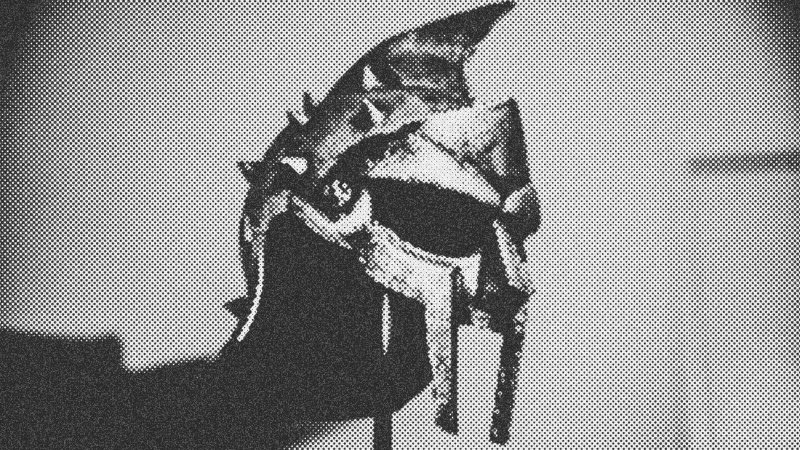
The arena helmet worn by Russell Crowe during the Battle of Carthage is a study in functional grit. Crafted from thin fiberglass for actor comfort and agility, the piece features a leather-lined suspension system that mirrors authentic historical construction. What elevates this specific prop is its history: a broken spike remains unconditioned because it was damaged during the heat of filming. This "happy accident" provides a narrative texture that pristine recreations lack. The paintwork utilizes variegated textures—what filmmakers often call "boogers" or surface warts—to simulate the look of hand-hammered Roman steel, ensuring the helmet looks heavy and lethal on screen while remaining lightweight for the performer.
Tigris of Gaul: The Chilling Precision of Chrome
If Maximus Decimus Meridius's gear represents the weary soldier, the helmet of Tigris of Gaul embodies the spectacle of the Games. Designed by Sylvain Despretz, the concept evolved from a taxidermy-style tiger headdress into a gleaming, chrome-finished predator. Inspired by the dragon-adorned helmets of the French Fire Brigade, this piece features a mechanical faceplate that folds up, a design choice meant to assist the stunt performer’s presence. The blank, mirror-like expression creates a chilling, dehumanizing effect, transforming a man into a living monument of the arena’s brutality.
The Collaborative Legacy of FBFX and Janty Yates
These pieces emerged from a powerhouse collaboration between costume designer Janty Yates and the specialists at FBFX. Their work secured an Academy Award for Best Costume Design, proving that prop construction is inseparable from high-level storytelling. By employing materials like rubber for high-impact horse sequences and fiberglass for close-up hero shots, the production team balanced safety with visual perfection. These helmets stand as enduring artifacts of a time when practical effects and meticulous hand-finishing defined the cinematic experience.
- Maximus Decimus Meridius
- 15%· people
- Tigris of Gaul
- 15%· people
- Adam Savage
- 8%· people
- Brandon Alinger
- 8%· people
- FBFX
- 8%· companies
- Other topics
- 46%
How Gladiator’s Iconic Helmets Were Designed
WatchAdam Savage’s Tested // 10:03

Adam Savage’s Tested is a content platform and community playground for makers and curious minds. On Tested.com, the highly- engaged Tested YouTube channel, and at conventions and events, dynamic makers share ideas and inspire each other to build their obsessions. Led by Adam Savage, the Tested team explores the intersection of science, popular culture, and emerging technology, showing how we are all makers. Adam also takes viewers behind the scenes of films, TV shows, theater, and museums, shining a spotlight on the craftspeople and artists who make the magic we all enjoy. Tested is also: Norman Chan, Joey Fameli, Josh Self, Kristen Lomasney and Thomas Crenshaw.