Adam Savage counts 80 stitches across his hands from shop injuries
The inevitable price of the workbench
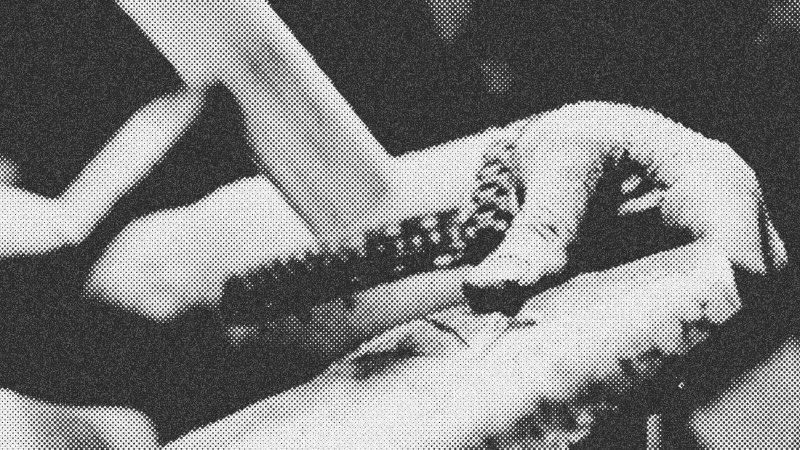
If you’re working with your hands, you’re going to bleed. It’s a reality Adam Savage knows intimately, having once mapped out roughly 80 stitches across his knuckles and palms. Most of those scars live on his left hand—the universal "clamp" for right-handed builders. The challenge isn't avoiding every scratch; it's recognizing that as you age, the biological cost of these errors increases. What healed in a weekend during your 20s can become a week-long infection battle in your 40s.
Principles of shop-floor survival
Adam Savage maintains a pragmatic approach to shop safety: prioritize the digits that operate your smartphone. Losing mobility in a thumb or index finger isn't just a nuisance; it’s a modern lifestyle catastrophe. Beyond that, the core insight for any maker is mindfulness. Every time a tool slips and gouges skin, there was almost always a split-second warning—a thought that whispered, "I’m pushing too hard." Learning to back off the moment that thought enters your brain is the most effective safety guard you can install.
Actionable practices for wound care
When the inevitable happens, don't just wipe the blood on your jeans. Keep triple antibiotic cream at every sink and treat even minor scrapes immediately. For bandaging, skip the standard plastic strips. Adam Savage swears by CVS cloth bandages because they don't unravel at the edges and dry quickly after getting wet. The goal is to keep the wound clean and isolated so your body can focus on repair while you get back to the machine.
Mindset for the long-term maker
Accepting that injuries are part of the process doesn't mean being reckless; it means being prepared. Whether it's building a replica of the Demon Core using Midwest Tungsten Service alloys or planning a complex clock escapement for 2027, your hands are your primary tools. Treat them with the same respect you'd give a high-end milling machine. If the part you're making is getting crunched, you notice immediately. Start noticing when your body is giving you that same warning.
- Adam Savage
- 38%· people
- CVS
- 13%· companies
- Demon Core
- 13%· products
- Kyle Hill
- 13%· people
- Midwest Tungsten Service
- 13%· companies
- The Woodwright's Shop
- 13%· tv shows
How Many Stitches Does Adam Savage Have on His Hands?
WatchAdam Savage’s Tested // 9:23

Adam Savage’s Tested is a content platform and community playground for makers and curious minds. On Tested.com, the highly- engaged Tested YouTube channel, and at conventions and events, dynamic makers share ideas and inspire each other to build their obsessions. Led by Adam Savage, the Tested team explores the intersection of science, popular culture, and emerging technology, showing how we are all makers. Adam also takes viewers behind the scenes of films, TV shows, theater, and museums, shining a spotlight on the craftspeople and artists who make the magic we all enjoy. Tested is also: Norman Chan, Joey Fameli, Josh Self, Kristen Lomasney and Thomas Crenshaw.