The Science of Decay: Inside the National Park Service Taxidermy Conservation Lab
The Intersection of Biology and Artistry
Taxidermy often sits in a strange cultural limbo between scientific specimen and artistic curiosity. In the National Park Service, expert conservators like Fran Ritchie manage the delicate process of preserving these organic objects. Unlike modern "ethical taxidermy," many historical pieces carry a heavy burden of toxic materials and amateur construction techniques that make preservation a literal minefield. The goal here isn't necessarily to make an animal look "real" in the modern sense, but to honor the historical context of its creation.
Working with the William Floyd Estate collection—which includes a 1908 red fox that was famously roadkill—conservators must balance the "hand of the maker" against the ravages of time. Every choice, from the specific detergent used to the temperature of a hairdryer, dictates whether a specimen survives another century or crumbles into dust. It's a high-stakes game of technical restoration that mirrors the meticulousness of a custom PC build or a complex engineering project.
The Lethal Legacy of Arsenic
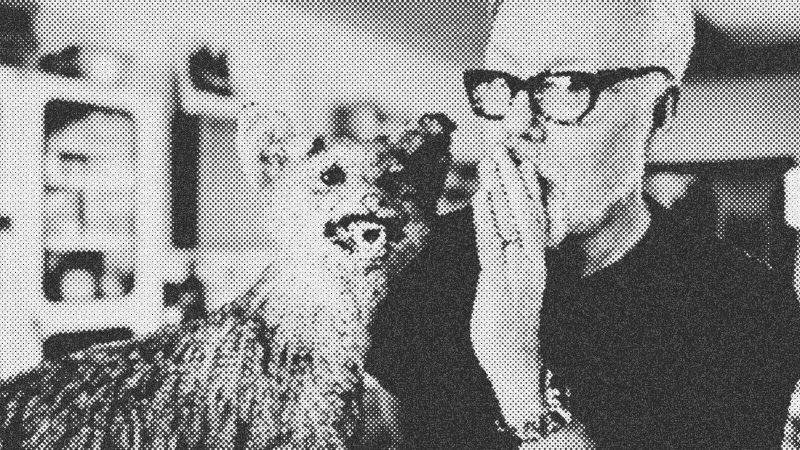
One of the most sobering aspects of historical taxidermy is the use of Arsenical Soap. For decades, taxidermists applied this heavy metal pesticide to the interior of skins to prevent pest infestations. It worked remarkably well—the reason we still have 100-year-old specimens today is largely because they are toxic to the very organisms that would eat them. However, this creates a significant health hazard for modern handlers.
Arsenic is an intrinsic material of the period, not a contaminant to be removed. It can manifest as a fine gray or white dust falling from seams. Conservators manage this through strict PPE protocols, using non-cotton gloves to provide a physical barrier against skin irritation. The golden rule in the lab is simple: manage the hazard, don't lick the specimens, and always wash up before lunch. This toxic reality is why many researchers prefer "study skins" kept in cabinets over display mounts, as the mounts are often too chemically complex for modern DNA sampling.
Advanced Surface Cleaning and Grooming
Cleaning a century of soot and dust from fur is a transformative process. In historic homes, fireplaces deposit a greasy, gray film on specimens that masks their natural vibrancy. Conservators use a combination of dry and wet methods to lift this grime. Fran Ritchie utilizes fan brushes to groom the fur during cleaning, ensuring the hair fibers remain aligned.
For deep cleaning, extremely mild detergents cleared with water are used, but the critical step is the drying phase. Using a hairdryer on a cool setting is mandatory; without it, the hair can develop unnatural curls—a common sight in poorly maintained moose or deer mounts. This mechanical action restores the "spark of life" to the animal, often revealing that the underlying color is far more preserved than initially thought. The difference between a cleaned and uncleaned specimen is the difference between a machine choked with dust and a freshly tuned rig.
Chemical Color Restoration with Metal Complex Dyes
When UV damage has truly faded a specimen, conservators turn to Metal Complex Dyes, specifically brands like Orasol. These are not standard paints. They are powdered dyes mixed with solvents but no binders, ensuring the hair doesn't become "gunky" or stiff. Unlike acrylics, which are visible even under a scanning electron microscope as thick coatings, these dyes allow the hair to remain groomable.
This technique, pioneered by the American Museum of Natural History, is valued for its retreatability. Because the dye is solvent-based, it can be partially removed or reapplied decades later without damaging the hair's structural integrity. When a red fox's black accents have faded to brown, an airbrush is used to gently mist these dyes onto the surface, restoring the visual depth of the animal without compromising its scientific value.
Structural Failures and Japanese Paper Fills
Structural stability is the first priority in any restoration. On the William Floyd Estate fox, the internal metal armature has begun to corrode due to the salty, humid air of Long Island. This corrosion causes the surrounding plaster to "spall" or break into tiny fragments, leading to internal collapse. Replacing an entire armature is too invasive, as old skin becomes brittle and prone to shattering. Instead, conservators stabilize what they can reach with inert materials.
For aesthetic fills, such as areas of hair loss caused by past moth infestations, conservators use a ingenious "faux hide" technique. They harvest guard hairs from legal sources—often cow or bison—and tack them onto Japanese Paper using a flexible acrylic emulsion adhesive. This paper is incredibly thin, allowing the conservator to insert the patch without creating a bump that would tip the viewer into the "uncanny valley." These patches are set with heat spatulas, allowing for a precise, invisible repair that maintains the animal's natural silhouette.
Preserving the Future of History
The future of these objects depends on environmental control. Preventing the need for invasive cleaning starts with weather stripping, high-quality HVAC filters, and routine vacuuming of the display environment. Taxidermy conservation reminds us that technology and history are fragile. Whether you're maintaining a vintage computer or a 115-year-old fox, the principles remain the same: understand your materials, respect the original engineering, and don't be afraid to get your hands dirty—provided you're wearing the right gloves.
- Fran Ritchie
- 14%· people
- William Floyd Estate
- 14%· places
- Adam Savage
- 7%· people
- American Museum of Natural History
- 7%· companies
- Arsenical Soap
- 7%· products
- Other topics
- 50%
What Happens When Taxidermy Fails
WatchAdam Savage’s Tested // 33:46

Adam Savage’s Tested is a content platform and community playground for makers and curious minds. On Tested.com, the highly- engaged Tested YouTube channel, and at conventions and events, dynamic makers share ideas and inspire each other to build their obsessions. Led by Adam Savage, the Tested team explores the intersection of science, popular culture, and emerging technology, showing how we are all makers. Adam also takes viewers behind the scenes of films, TV shows, theater, and museums, shining a spotlight on the craftspeople and artists who make the magic we all enjoy. Tested is also: Norman Chan, Joey Fameli, Josh Self, Kristen Lomasney and Thomas Crenshaw.