Smithsonian conservators fight to save John Quincy Adams' 1843 portrait
The Chemistry of 19th-Century Light
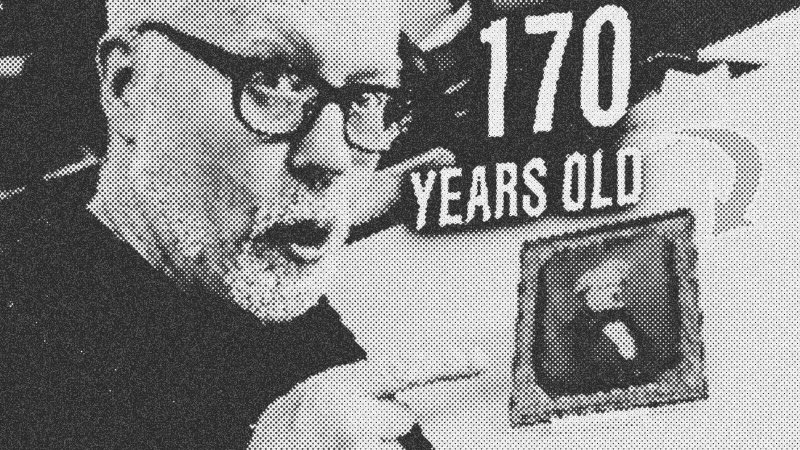
A Daguerreotype is not a mere picture. It is a physical monument of silver and copper. Developed in the 1830s, this first commercial photographic process captured moments directly on silver-plated copper sheets. Light interacted with iodized silver to form a fragile, mirror-like image. These plates hold a level of detail that modern digital formats struggle to replicate. Yet, their chemical composition makes them incredibly vulnerable to the atmosphere.
Oxygen and Tape Threaten Our Visual History
Preservation requires meticulous attention to material science. Silver tarnishes when exposed to air, forming dark corrosion rings around the edges of these plates. Historical attempts to seal these artifacts often caused secondary damage. Well-meaning owners frequently applied pressure-sensitive Scotch tape, which degrades into sticky, acidic residue.
At the National Portrait Gallery, conservator Christina Finlayson combats this decay. She carefully uses controlled heat to lift old adhesives without damaging the gold-toned plates. The image layer itself is extraordinarily fragile. Measuring less than a nanometer thick, a single careless touch can erase the portrait forever.
Creating an Impermeable Microenvironment
To ensure these faces survive the next century, conservators must build a fortress around each plate. After blowing away stray dust with rocket-shaped air bulbs, Finlayson seals the photographic package using Filmoplast tape and a protective sheet of Mylar. This synthetic barrier prevents the metal plate from contacting the adhesive. To maintain aesthetic integrity, she tones the white tape with acrylics to mimic the original brass mats. This meticulous method seals the plate in its own stable microenvironment, protecting the silver from atmospheric oxygen.
The Haunting Magic of Direct Exposure
Unlike modern negatives, a daguerreotype represents a single, non-reproducible moment. The subject sat before the camera, and the light reflecting off their skin directly altered the chemicals on the plate. Looking at the 1843 portrait of John Quincy Adams reveals a grumpy, vivid humanity. It is a physical remnant of our sixth president, preserved through rigorous craft.
- Adam Savage
- 11%· people
- Christina Finlayson
- 11%· people
- Daguerreotype
- 11%· art and craft techniques
- Henry David Thoreau
- 11%· people
- John Quincy Adams
- 11%· people
- Other topics
- 44%
How National Portrait Gallery Preserves Early Photography
WatchAdam Savage’s Tested // 9:49

Adam Savage’s Tested is a content platform and community playground for makers and curious minds. On Tested.com, the highly- engaged Tested YouTube channel, and at conventions and events, dynamic makers share ideas and inspire each other to build their obsessions. Led by Adam Savage, the Tested team explores the intersection of science, popular culture, and emerging technology, showing how we are all makers. Adam also takes viewers behind the scenes of films, TV shows, theater, and museums, shining a spotlight on the craftspeople and artists who make the magic we all enjoy. Tested is also: Norman Chan, Joey Fameli, Josh Self, Kristen Lomasney and Thomas Crenshaw.