The Art of the Replica: Preserving Theodore Roosevelt’s Legacy
The Necessity of Replicas in Modern Conservation
Preserving history isn't just about sticking old things in a glass box. At the National Park Service, experts like Curtis Sullivan face a constant battle against the elements. When an original artifact—like the traveling steamer trunk used by Theodore Roosevelt—sits in an environment without climate control, it begins a slow descent into decay. Pests, humidity, and simple mechanical wear from curious hands threaten its structural integrity. Creating a replica isn't about faking history; it's about protecting the original while maintaining a physical narrative for the public.
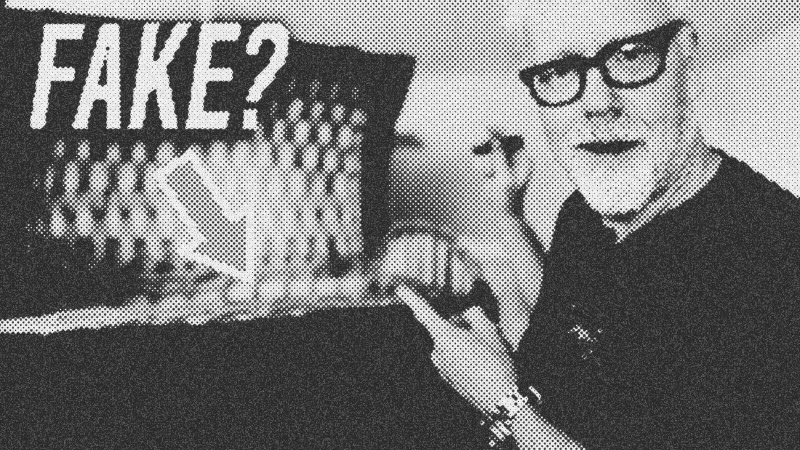
Three Years of Precision Craftsmanship
You don't just whip up a replacement for a presidential artifact over a weekend. The National Park Service spent three years recreating Roosevelt’s trunk. This wasn't a superficial copy. The maker used original 19th-century techniques, sourcing specific rivets and hardware to match the era's industrial standards. They even replicated the specific interior fabric—a detail discovered during a painstaking conservation process in the organics lab. This level of dedication ensures that when a visitor sees the replica, they aren't looking at a prop; they're looking at a functionally identical twin built with the same mechanical soul as the original.
Engineering for Weight and Utility
Examining the construction of these trunks reveals the pragmatic engineering of the late 1800s. The core of the case consists of lightweight rattan, clad in oil cloth—specifically duck cloth treated with linseed oil. This setup provided a durable, water-resistant exterior without the crushing weight of solid wood. For a man like Theodore Roosevelt, who frequently trekked between New York and North Dakota, every pound mattered. The replica allows the museum to demonstrate this lightweight utility, opening and closing the lid in ways that would shatter the fragile, aged fibers of the original.
Conclusion: A Dual Life for History
The original trunk now heads to a permanent, climate-controlled exhibit at the new Theodore Roosevelt Presidential Library. Meanwhile, the replica takes over the heavy lifting in the historic cabin, providing a tactile, interactive experience. This dual approach ensures that the "TR" monogram continues to tell its story without the risk of the artifact crumbling into dust. It’s a win for conservation and a masterclass in the value of high-end replica work.
- National Park Service
- 29%· companies
- Theodore Roosevelt
- 29%· people
- Adam Savage
- 14%· people
- Curtis Sullivan
- 14%· people
- Theodore Roosevelt Presidential Library
- 14%· places
Should Artifact Replicas Be Allowed in Museums?
WatchAdam Savage’s Tested // 9:23

Adam Savage’s Tested is a content platform and community playground for makers and curious minds. On Tested.com, the highly- engaged Tested YouTube channel, and at conventions and events, dynamic makers share ideas and inspire each other to build their obsessions. Led by Adam Savage, the Tested team explores the intersection of science, popular culture, and emerging technology, showing how we are all makers. Adam also takes viewers behind the scenes of films, TV shows, theater, and museums, shining a spotlight on the craftspeople and artists who make the magic we all enjoy. Tested is also: Norman Chan, Joey Fameli, Josh Self, Kristen Lomasney and Thomas Crenshaw.