Adam Savage says it took three years to stop hating himself on camera
The brutal reality of the lens
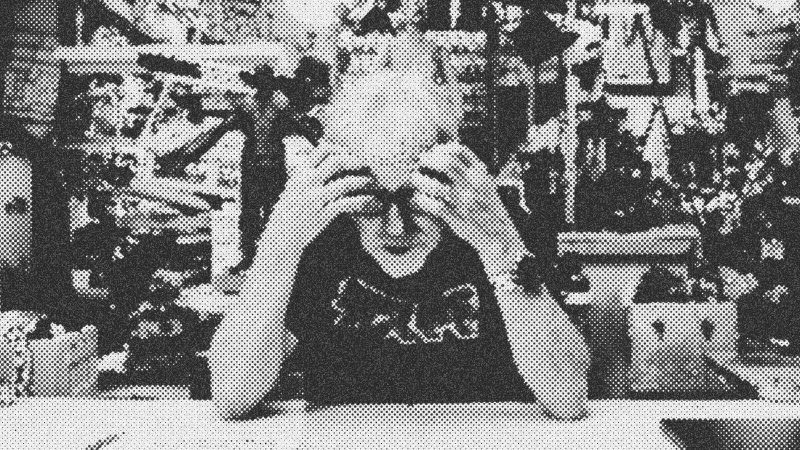
Facing a camera lens is a physical confrontation with your own insecurities. Adam Savage notes that watching yourself is initially "awful" because the camera fundamentally alters how we perceive our own voices and movements. It isn't just about vanity; the lens actively drains information, requiring a performer to amplify their gestures and volume just to appear "normal" on a small screen. This disconnect creates a jarring experience for the uninitiated, where the self on screen feels like a stranger.
Separating the character from the person
Comfort doesn't arrive in a flash of confidence; it’s a slow, mechanical realization. For Savage, it took nearly three seasons of Mythbusters to reach a point of objective assessment. The shift occurs when you begin to view the figure on screen as a "character" rather than your literal self. This mental separation allows you to tweak performance—pushing a gesture further or projecting louder—without feeling like a fraud. It’s about understanding the medium’s limitations and compensating for them through deliberate practice.
Location as a creative petri dish
Geography often functions as the "growth medium" for a maker’s identity. Savage credits San Francisco with providing the specific cultural and professional environment necessary to synthesize his varied backgrounds in theater and design. Even as cities change—shifting from "bedroom communities" for tech giants back to localized neighborhoods—the physical connection to a place remains a central pillar of the creative process. A dream shop is meaningless if the surrounding vibe doesn't feed the brain.
The magic of collaborative focus
While building in isolation has its charms, collaboration is a distinct skill set. Working with a single guest provides a level of focus that is difficult to maintain with a crowd. However, when working with deep friends like Fawn Davis or Dave Fogler, the numbers matter less than the shared language of making. The goal is always balance—ensuring that the technical work is covered while letting the natural chemistry of the shop floor shine through.
- Adam Savage
- 8%· people
- Chris Pine
- 8%· people
- Dave Fogler
- 8%· people
- Fawn Davis
- 8%· people
- Leonard Nimoy
- 8%· people
- Other topics
- 58%
Why Watching Yourself on Camera is Awful
WatchAdam Savage’s Tested // 10:38

Adam Savage’s Tested is a content platform and community playground for makers and curious minds. On Tested.com, the highly- engaged Tested YouTube channel, and at conventions and events, dynamic makers share ideas and inspire each other to build their obsessions. Led by Adam Savage, the Tested team explores the intersection of science, popular culture, and emerging technology, showing how we are all makers. Adam also takes viewers behind the scenes of films, TV shows, theater, and museums, shining a spotlight on the craftspeople and artists who make the magic we all enjoy. Tested is also: Norman Chan, Joey Fameli, Josh Self, Kristen Lomasney and Thomas Crenshaw.