Cirque du Soleil relies on 86-gram ornithopters to mimic real dragonflies
Mechanical wings replace propellers for theatrical immersion
In the high-stakes world of live performance, Cirque du Soleil has moved beyond standard quadcopters to something far more intricate. The show Echo features custom-built drones that fly exclusively via wing flapping, classifying them as ornithopters. These machines are designed to mimic the erratic, organic movement of insects, creating a more convincing presence than any rotary-wing drone could achieve. However, this aesthetic comes at a steep engineering cost: the drones must remain under 86 grams to stay airborne.
The engineering challenge of the 86-gram limit
According to Michael Schermann, assistant head of props, weight is the primary adversary in drone maintenance. Because these machines rely on the mechanical physics of flapping, adding even a few grams of repair material can grounded them. The airframes are constructed from ultra-light foam and carbon fiber rods. When a crash occurs, the team cannot simply use heavy epoxies; they often resort to specialized clear tapes and 3D-printed gearbox components to keep the weight within a razor-thin margin of error.
Daily maintenance and the risk of audience interaction
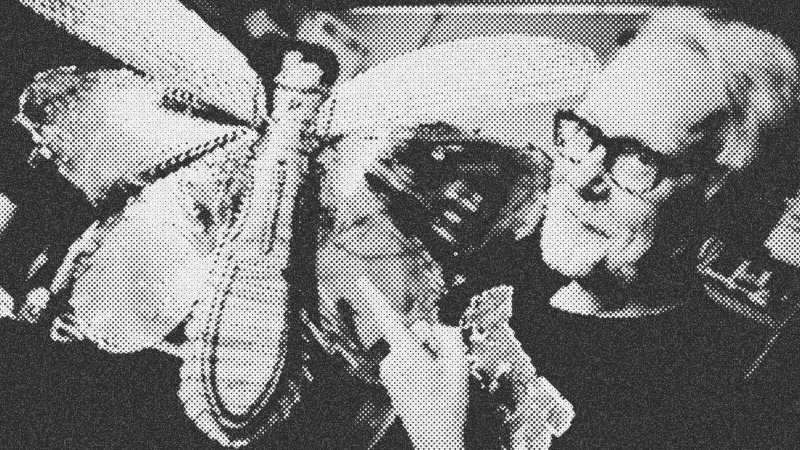
Operating five drones per show requires an extensive pre-flight ritual. Pilots must physically test and "vibe" with specific units, as environmental factors like HVAC airflow and humidity alter flight performance. A major, unexpected complication is the audience itself. Adam Savage noted that the drones' low-altitude flight invites interference. Michael Schermann revealed that attendees frequently attempt to grab the fragile machines, often smashing them. This necessitates a robust R&D process backstage, including vacuum-forming new body shells and testing hybrid materials like ABS plastic to increase durability without sacrificing lift.
Future of theatrical bio-inspired robotics
As Cirque du Soleil looks toward international touring, the team is transitioning toward in-house manufacturing to reduce reliance on original vendors. This shift involves optimizing the "crankshaft" mechanisms and experimenting with material mixes to reinforce high-impact areas like the neck and sternum. The goal is a machine that maintains the "struggle to fly" that makes the performance narratively evocative while surviving the rigors of a multi-continent tour.
- Cirque du Soleil
- 29%· companies
- Michael Schermann
- 29%· people
- Adam Savage
- 14%· people
- Echo
- 14%· creative works
- ornithopters
- 14%· products
Robot Fireflies: How Ornithopter Drones Fly!
WatchAdam Savage’s Tested // 12:21

Adam Savage’s Tested is a content platform and community playground for makers and curious minds. On Tested.com, the highly- engaged Tested YouTube channel, and at conventions and events, dynamic makers share ideas and inspire each other to build their obsessions. Led by Adam Savage, the Tested team explores the intersection of science, popular culture, and emerging technology, showing how we are all makers. Adam also takes viewers behind the scenes of films, TV shows, theater, and museums, shining a spotlight on the craftspeople and artists who make the magic we all enjoy. Tested is also: Norman Chan, Joey Fameli, Josh Self, Kristen Lomasney and Thomas Crenshaw.