Skin and Bone: The Engineering Marvel of Dinosaur Mummification
Exceptional Preservation and the Fossil Record
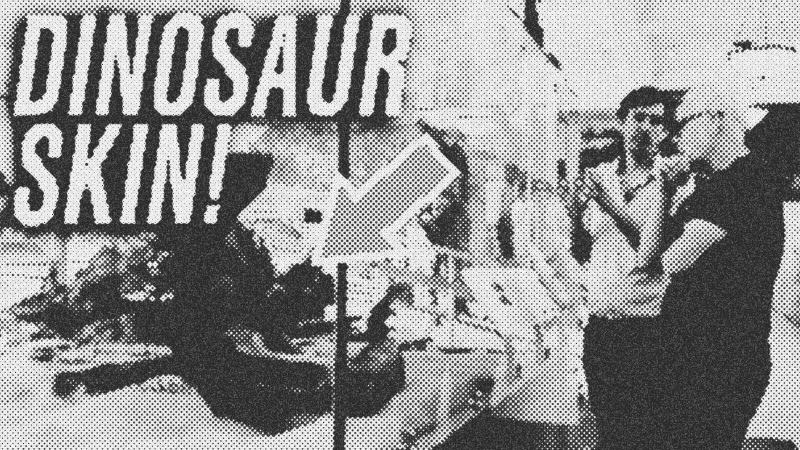
Most people imagine paleontology as a clean hunt for skeletons, but the reality is far more chaotic. Finding a complete skeleton is like winning a high-stakes lottery. Usually, scavengers, weather, and currents scatter remains long before mineralization begins. The Edmontosaurus annectens specimen at the American Museum of Natural History defies these odds. This "mummy" features skin impressions draped over ribs, a result of rapid burial and unique chemistry that halted the usual decay of soft tissue. It offers a rare window into the tactile reality of the Cretaceous period.
Decoding the Surface: Scales and Proto-feathers
We can finally move past the generic "scaly lizard" trope. High-resolution skin impressions reveal a diversity of textures across different species. While the Hadrosaur displays fine, pebbled scales, other finds like Triceratops show massive polygonal plates. Perhaps the most revolutionary discovery involves Sinosauropteryx, which sports proto-feathers. These aren't the flight feathers we see on modern birds but filamentous structures that likely looked more like fur. These biological components prove that many dinosaurs were insulated, high-metabolism animals rather than cold-blooded reptiles.
Melanosomes and the Science of Color
For decades, we assumed dinosaur color was pure guesswork. That changed with the study of Melanin. This pigment is incredibly resilient, often leaving behind microscopic casts called melanosomes. Because different shapes of melanosomes correspond to specific colors—like reddish-browns or blacks—scientists can now map out patterns. We have evidence of counter-shading, where an animal's belly is lighter than its back to flatten its appearance against the sun. We aren't just guessing anymore; we are reconstructing actual camouflage patterns.
Industrial Paleontology: The 1908 Expedition
There is a deep respect for the sheer physical labor involved in bringing these giants to light. When Charles Sternberg collected this mummy in 1908, he wasn't using modern precision tools or climate-controlled transport. He worked with pack animals, dynamite, and trains. Extracting brittle fossils from rock harder than the bone itself required an industrial-level obsession. Today, we stand on the shoulders of these early builders who moved mountains to preserve a shadow of the prehistoric world.
- Adam Savage
- 11%· people
- American Museum of Natural History
- 11%· places
- Charles Sternberg
- 11%· people
- Edmontosaurus annectens
- 11%· products
- Hadrosaur
- 11%· products
- Other topics
- 44%
A Mummified DINOSAUR? (at @AMNH)
WatchAdam Savage’s Tested // 11:36

Adam Savage’s Tested is a content platform and community playground for makers and curious minds. On Tested.com, the highly- engaged Tested YouTube channel, and at conventions and events, dynamic makers share ideas and inspire each other to build their obsessions. Led by Adam Savage, the Tested team explores the intersection of science, popular culture, and emerging technology, showing how we are all makers. Adam also takes viewers behind the scenes of films, TV shows, theater, and museums, shining a spotlight on the craftspeople and artists who make the magic we all enjoy. Tested is also: Norman Chan, Joey Fameli, Josh Self, Kristen Lomasney and Thomas Crenshaw.