Inside Movie Magic: Engineering the Ace Ventura Rhino
The Art of the Practical Gag
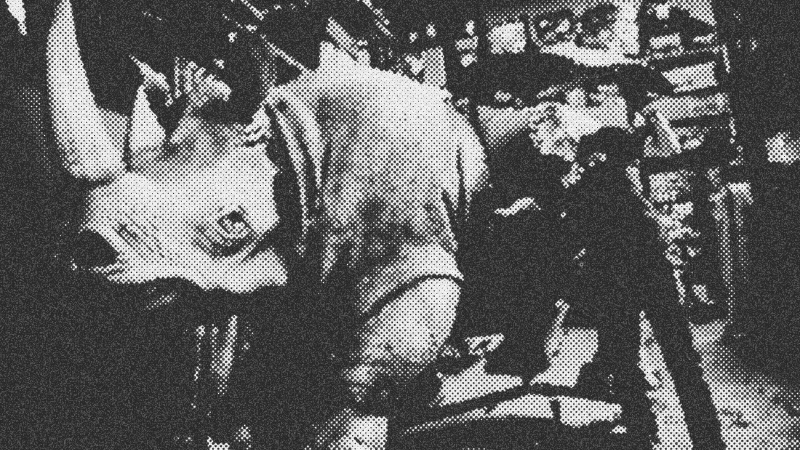
Movie props often live in a state of suspended reality, where they only need to be convincing for the duration of a camera's flash. The full-scale rhino from Ace Ventura: When Nature Calls stands as a monument to this pragmatism. While modern audiences might expect complex robotics, this iconic piece is largely a static fiberglass shell. It was designed to sell a singular, visceral joke: Jim Carrey emerging from a mechanical beast's rear. The physical presence of the prop, much larger in person than it appears on screen, highlights the scale required for a grown man to physically inhabit and eventually "exit" the machine.
Construction and Surface Texture
Close inspection of the rhino's skin reveals the grit of old-school practical effects. The surface wasn't sculpted in clay; instead, it shows the telltale signs of being carved directly into urethane and multi-part foam masters. You can see the polygonal skin crosses and scratches that only occur when a builder works with rigid foam. Once carved, the masters were used to create massive molds for a monolithic fiberglass cast. This method provided the structural integrity needed for a hero prop while maintaining a lightweight enough profile for the production crew to move it on set.
The Cockpit of a Comedy Legend
Stepping inside the rhino reveals a surprising amount of world-building that never quite made it to the final cut. The interior features a driver's seat, a trucker fan, and a control panel that was likely scavenged from a local tech prop shop. This panel appears to be a modified industrial voltage regulator, complete with labels and switches to give the performer something tactile to interact with. While most of the interior shots were filmed on a larger soundstage to accommodate cameras, the prop itself contains a welded steel infrastructure capable of supporting a person’s weight, making it more than just a hollow shell.
Preservation and Restoration
Decades in storage, including a stint in the Planet Hollywood collection, took a toll on the material. The foam tail exhibits natural deterioration, while the legs required significant structural rebuilding before its recent auction. Restoration experts opted for a "freeze" approach—stabilizing the damage rather than erasing the history. This includes maintaining the original paint where possible and keeping the pliable "anal membrane" sheets that were replaced take-after-take during the film's most infamous sequence. It is a rare look at how a piece of high-concept comedy hardware is maintained for the next generation of collectors.
- Ace Ventura: When Nature Calls
- 13%· movies
- Adam Savage
- 13%· people
- Batman Forever
- 13%· movies
- James G. Robinson
- 13%· people
- Jim Carrey
- 13%· people
- Other topics
- 38%
The Infamous Rhino Robot from Ace Ventura: When Nature Calls!
WatchAdam Savage’s Tested // 11:41

Adam Savage’s Tested is a content platform and community playground for makers and curious minds. On Tested.com, the highly- engaged Tested YouTube channel, and at conventions and events, dynamic makers share ideas and inspire each other to build their obsessions. Led by Adam Savage, the Tested team explores the intersection of science, popular culture, and emerging technology, showing how we are all makers. Adam also takes viewers behind the scenes of films, TV shows, theater, and museums, shining a spotlight on the craftspeople and artists who make the magic we all enjoy. Tested is also: Norman Chan, Joey Fameli, Josh Self, Kristen Lomasney and Thomas Crenshaw.