The Alchemy of a Galaxy: Unmasking the Engineering Secrets of Star Wars Props
The Gold Standard: C-3PO’s Layered Finish
Building a protocol droid involves more than just casting a shell; it requires a complex understanding of light and chemistry. An original C-3PO helmet from The Empire Strikes Back reveals a secret about its legendary gold shine. The production team didn't use gold paint. Instead, they started with a silver chrome base and applied a clear yellow lacquer on top. This technique, often used in hardware manufacturing to create expensive-looking finishes on a budget, gives the droid its deep, metallic luster.
However, this method creates a unique maintenance challenge. Over decades, the clear tint can wear away, exposing the silver beneath. On the left cheek of the surviving The Empire Strikes Back helmet, the chrome is clearly visible, likely due to sun exposure or decades of handling. In the film industry, these "imperfections" are actually a defense mechanism. A perfect mirror finish would reflect the entire camera crew and lighting rig—a notorious problem seen in the conveyor belt scenes of the original trilogy.
Iterative Design and Sculptural Evolution
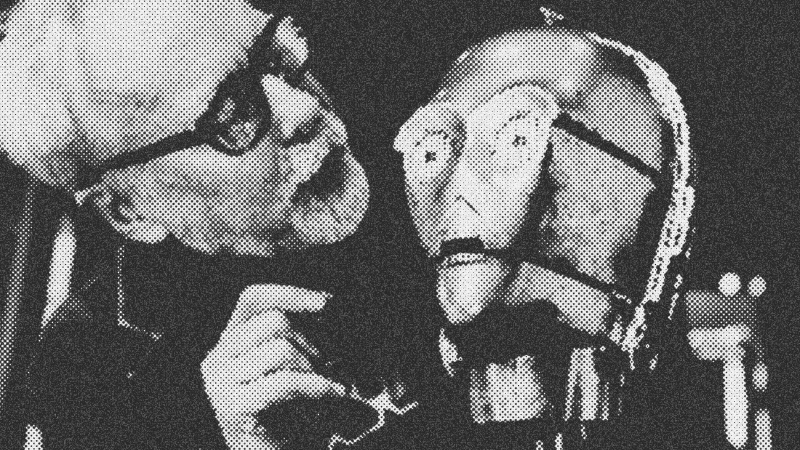
While Ralph McQuarrie provided the initial conceptual DNA for Star Wars, the transition from paper to physical prop was an iterative war. Sculptor Liz Moore originally produced twelve distinct head designs before George Lucas selected the final look. These designs evolved significantly between films. While the 1977 original featured machined aluminum lip plates and neck hardware, the version seen in The Empire Strikes Back moved toward cast-in details to streamline production.
The Kit-Bashing Philosophy: Ships and Blasters
Industrial Light & Magic mastered the art of "kit-bashing"—taking parts from off-the-shelf model kits to create futuristic hardware. For the A-wing fighter fighter, legend Bill George had to hand-carve a pattern and cast it in resin because no retail kits existed for the new Return of the Jedi ship.
This resourcefulness extended to weaponry. The Biker scout pistol utilizes a mix of cast resin and machined aluminum. High-end "hero" props used for close-ups included real glass lenses and machined metal inserts at the back to trick the viewer’s eye. If the resin casting looked wavy or unfinished, the glint of a precisely machined aluminum part would convince the audience of the weapon's industrial quality.
Found Objects and Industrial Scraps
Perhaps the most pragmatic example of Star Wars engineering is the "transparent" astromech head. Rather than blowing a new acrylic hemisphere, the team vacuum-formed thin acrylic over an existing R2-D2 dome. The internal "greeblies"—the tiny technical details—were often literal trash. Prop decorators like Michael Ford frequented an acrylic supply shop near Elstree Studios, purchasing floor scraps and industrial off-cuts. These pieces, along with refrigerator door handles and model engine parts, created the complex internal workings of the galaxy's droids.
- The Empire Strikes Back
- 13%· movies
- Star Wars
- 9%· movies
- A-wing fighter
- 4%· products
- Adam Savage
- 4%· people
- Biker scout pistol
- 4%· products
- Other topics
- 65%
How C-3PO Was Originally Painted in Star Wars
WatchAdam Savage’s Tested // 19:37

Adam Savage’s Tested is a content platform and community playground for makers and curious minds. On Tested.com, the highly- engaged Tested YouTube channel, and at conventions and events, dynamic makers share ideas and inspire each other to build their obsessions. Led by Adam Savage, the Tested team explores the intersection of science, popular culture, and emerging technology, showing how we are all makers. Adam also takes viewers behind the scenes of films, TV shows, theater, and museums, shining a spotlight on the craftspeople and artists who make the magic we all enjoy. Tested is also: Norman Chan, Joey Fameli, Josh Self, Kristen Lomasney and Thomas Crenshaw.