Tim Browning reveals how physical props define alien science in Project Hail Mary
The Tactile Reality of Extraterrestrial Design
Filmmaking lives in the tangible details. When adapting Andy Weir's hard sci-fi novel Project Hail Mary, the production team faced a monumental task: translating the highly technical, non-human world of the alien character Rocky into physical props. Art Director Tim Browning and his team bypassed purely digital solutions. Instead, they embraced hands-on experimentation to create props that feel genuinely alien yet scientifically logical.
Weaving Solid Metal with Hot Glue Logic
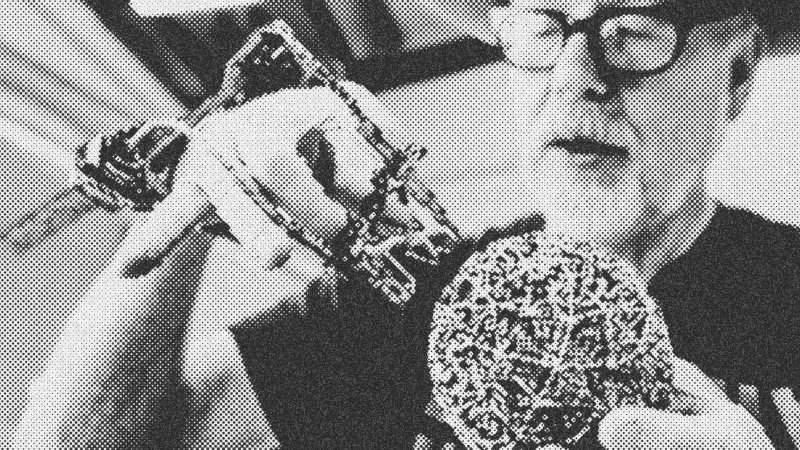
To establish how Rocky builds his tools, Tim Browning's team started with a simple, familiar reference: the hot glue gun. In the book, Rocky utilizes a liquid metal epoxy to fabricate objects. The design crew built "weavers"—wearable finger props that hold raw chunks of xenonite and secondary minerals. By testing real materials on the workbench rather than relying solely on concept art, the team discovered how the alien would physically construct his world, establishing a distinct, hand-knit aesthetic for all subsequent hardware.
Translating Star Maps into Rigid Xenonite
Communication is the core of the story. The first critical prop is a star map canister containing a three-dimensional model of local stars. To simulate xenonite—the most rigid material in the universe—the model had to remain completely solid without wobbling on set. Tim Browning 3D modeled the stellar coordinates with extreme precision, which were then translated into a physical jig by prop maker Paul Marsh. The resulting star map, featuring stars like Tau Ceti and Epsilon Eridani, is accurate to within a single light year.
Crafting the Illusion of Weight
- Hybrid Fabrication: The props combine 3D printed plastic cores with real nickel plating.
- Tactile Deception: This plating technique gives lightweight plastics a rigid, cold-to-the-touch metallic finish.
- Action Doubles: The team cast soft rubber duplicates for stunt sequences, painted to look completely identical to the metal versions.
Perspectives on the Unknown
Designing the alien's subjective experience required deep narrative restraint. A key narrative prop features an anamorphic silhouette sculpture. When viewed from a precise camera vanishing point, the seemingly chaotic shape coalesces into a silhouette of the human ship, the Hail Mary, alongside the alien vessel. This design illustrates Rocky's tactile, echolocation-based understanding of 3D space, capturing a naive, non-visual perspective of human anatomy and engineering.
- Adam%20Savage
- 25%· people
- Andy%20Weir
- 25%· people
- Project%20Hail%20Mary
- 25%· movies
- Tim%20Browning
- 25%· people
How Rocky's Models Were Made for Project Hail Mary
WatchAdam Savage’s Tested // 14:49

Adam Savage’s Tested is a content platform and community playground for makers and curious minds. On Tested.com, the highly- engaged Tested YouTube channel, and at conventions and events, dynamic makers share ideas and inspire each other to build their obsessions. Led by Adam Savage, the Tested team explores the intersection of science, popular culture, and emerging technology, showing how we are all makers. Adam also takes viewers behind the scenes of films, TV shows, theater, and museums, shining a spotlight on the craftspeople and artists who make the magic we all enjoy. Tested is also: Norman Chan, Joey Fameli, Josh Self, Kristen Lomasney and Thomas Crenshaw.