The Engineering Alchemy of Project Hail Mary's Practical Cockpit
The Architecture of Authentic Sci-Fi
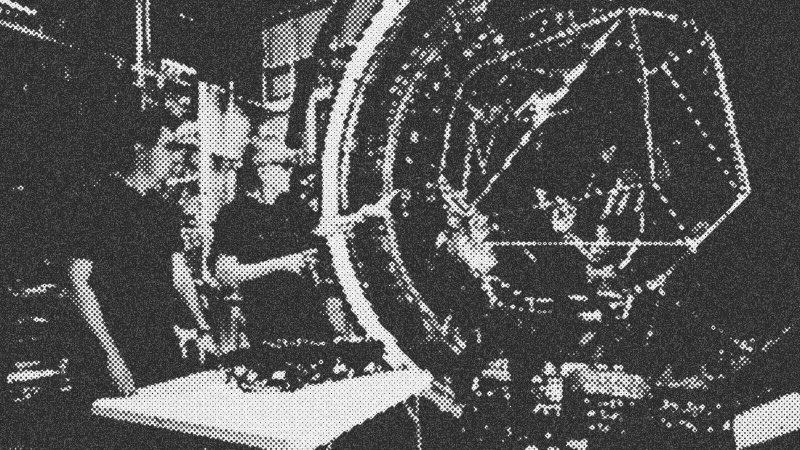
Building a spacecraft for the screen often involves a compromise between visual splendor and physical reality. For Project Hail Mary, the production team bypassed the easy route of digital overlays in favor of a massive, tactile cockpit. This isn't just a facade; it's a functioning environment built on steel frames and layered with thousands of bespoke components. The philosophy here is clear: practical sets elicit more grounded performances from actors like Ryan Gosling.
Practical Electronics and Modular Mastery
The technical density of the Hail Mary cockpit is staggering. Specialty prop makers, including experts like Tom from the specialty props team, integrated over 150 practical screens into the set. Each display runs custom animations, ensuring that every angle the camera captures feels alive. Beyond the screens, the team manufactured approximately 750 custom boxes, laser-cut and etched to house intricate internal electronics. These units feature five-channel RGB LEDs, allowing the lighting department to manipulate the color of every button across 50 universes of DMX control.
Solving for the Camera
Greig Fraser, the film's Director of Photography, demanded total environmental flexibility. To accommodate his vision, the prop team designed a modular "fly out" system. Large chunks of the wall and avionics can be removed via a bolt-and-tackle system, creating a physical void for the camera to occupy without losing the surrounding light flow. This modularity extends to the cockpit's central hub, which splits into eight distinct sections to allow for extreme close-ups in a notoriously cramped space.
Surviving the Shaker Rig
Visual authenticity is only half the battle when the entire set is a kinetic machine. The production utilizes a tilt and shaker rig that can pitch the set up to 25 degrees. This violent motion requires every component to be secured with Ny-lok nuts or thread locker. If the engineering fails, the set literally shakes itself apart. The prop team must also redress the environment for different gravitational states—acceleration and centrifugal—meaning they essentially built and oriented the set twice to match the film's scientific accuracy.
- Adam Savage
- 14%· people
- Amazon MGM Studios
- 14%· companies
- Greig Fraser
- 14%· people
- James Cameron
- 14%· people
- Project Hail Mary
- 14%· movies
- Other topics
- 29%
How Project Hail Mary's Spaceship Set Was Built!
WatchAdam Savage’s Tested // 8:17

Adam Savage’s Tested is a content platform and community playground for makers and curious minds. On Tested.com, the highly- engaged Tested YouTube channel, and at conventions and events, dynamic makers share ideas and inspire each other to build their obsessions. Led by Adam Savage, the Tested team explores the intersection of science, popular culture, and emerging technology, showing how we are all makers. Adam also takes viewers behind the scenes of films, TV shows, theater, and museums, shining a spotlight on the craftspeople and artists who make the magic we all enjoy. Tested is also: Norman Chan, Joey Fameli, Josh Self, Kristen Lomasney and Thomas Crenshaw.