Syd Mead drawings show how Blade Runner built its iconic flying car
The Architecture of Science Fiction Worldbuilding
Cinema is a collaborative machine. Every frame requires a thousand small, deliberate choices that bring an imaginary universe to life. Few films prove this as masterfully as Blade Runner. Its enduring visual power relies on meticulous physical craftsmanship rather than digital shortcuts. Exploring the archives at the Margaret Herrick Library reveals the precise progression of the iconic Spinner flying car from quick marker sketches to technical construction blueprints.
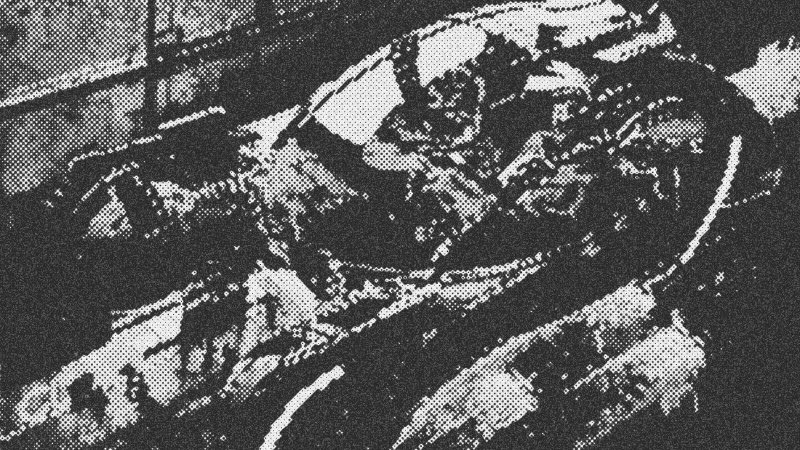
Syd Mead and the Art of the Visual Futurist
In June 1980, industrial designer Syd Mead began sketching the vehicles of Los Angeles 2019. Credited as a "visual futurist," Mead did not just draw cars; he built a believable ecosystem around them. His earliest concept art shows a rapid, marker-sketched design language typical of classic industrial design.
Mead soon pushed beyond simple product design. He began depicting these vehicles in situ, drawing entire city blocks and detailing the specific technology packages that came with each car. He literally wrote science fiction on the borders of his drawings to justify their visual engineering.
Translating Concept Art to Physical Blueprints
Concepts must eventually face the realities of construction. Five months after Mead’s initial sketches, production designer Lawrence G. Paul and art director David Snyder drafted detailed blueprints to turn drawings into functional movie props.
These blueprints showcase the brilliant friction between creative ambition and practical execution. Hand-drawn plans for the Spinner include physical annotations like "eyebolts or hydraulic linkup for liftoff effect as required." The drafts even feature a front-facing "laser weapon system" that ultimately never appeared in the final cut.
Archiving the Legacy of Cinematic Design
These physical artifacts survive today thanks to preservation efforts at the Margaret Herrick Library. Curating these assets requires strict cataloging standards. Large-format graphics and blueprints rest in specialized flat drawers, while fragile production photographs and manuscripts demand their own precise climate and storage parameters. This preservation ensures that the physical work of cinema's greatest artisans remains accessible to future generations of filmmakers.
- Margaret Herrick Library
- 29%· locations
- Adam Savage
- 14%· people
- Blade Runner
- 14%· movies
- David Snyder
- 14%· people
- Lawrence G. Paul
- 14%· people
- Syd Mead
- 14%· people
How Blade Runner's Flying Cars Were Designed
WatchAdam Savage’s Tested // 13:25

Adam Savage’s Tested is a content platform and community playground for makers and curious minds. On Tested.com, the highly- engaged Tested YouTube channel, and at conventions and events, dynamic makers share ideas and inspire each other to build their obsessions. Led by Adam Savage, the Tested team explores the intersection of science, popular culture, and emerging technology, showing how we are all makers. Adam also takes viewers behind the scenes of films, TV shows, theater, and museums, shining a spotlight on the craftspeople and artists who make the magic we all enjoy. Tested is also: Norman Chan, Joey Fameli, Josh Self, Kristen Lomasney and Thomas Crenshaw.