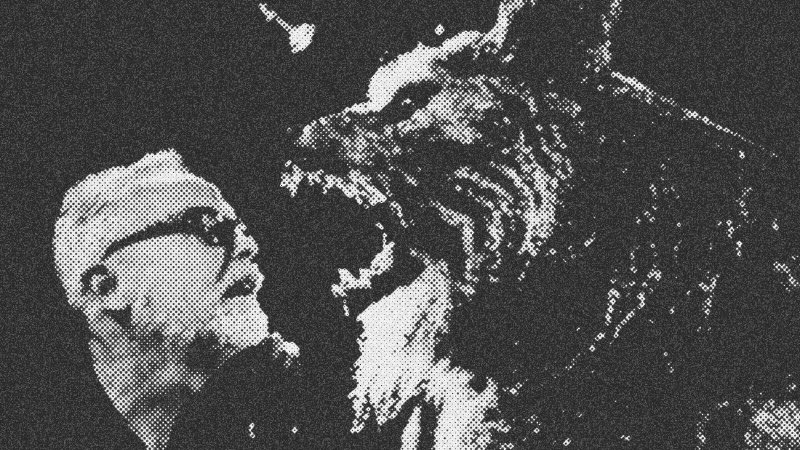
Greg Nicotero saves the original werewolf puppet from The Howling
The Legacy of Practical Effects in Horror Cinema
Practical effects carry stories that digital pixels simply cannot replicate. In the physical realm of filmmaking, a malfunctioning blood tube or a complex mechanical rig creates shared human experiences on set. For decades, horror legends built nightmares out of latex, foam, and sheer ingenuity. When physical artifacts survive the production, they become crucial touchstones of cinema history. Yet, most of these props were never built to last, often left to rot once the cameras stopped rolling.
The Bipedal Terror of Joe Dante's Masterpiece
When The Howling hit theaters in 1981, it redefined the werewolf archetype. Designed by legendary effects artist Rob Bottin, the creature broke away from traditional quadruped or subtle makeup designs. This beast featured a massive dog-like barrel chest, a thin waist, and a distinct "stovepipe" neck. It was a terrifying, bipedal monstrosity that set a new standard for creature design. Despite its iconic status, the original puppet barely made it onto the screen. Director Joe Dante resisted cutting holes in his set walls to accommodate the complex cable-controlled mechanisms required to operate the hands and body, leaving the full puppet mostly unseen in the final cut.
Rebuilding a Rotting Legend
Decades after its debut, the original puppet was decaying in a private collector's yard, literally rotting under a Halloween costume. Makeup effects master Greg Nicotero stepped in to rescue it. Partnering with restoration expert Tom Spina, they began a meticulous preservation process. Because the foam latex face was incredibly fragile, Spina focused on stabilizing the head while Nicotero addressed the limbs and torso.
To repair the hands and feet, which were missing fingers and toes, the team used digital scanning technology. They scanned the surviving digits, flipped them in a computer, and printed new parts to restore the anatomy.
Layering Yak Hair and Creating the Over-Suit
Recreating the wolf's fur required specific, traditional techniques. The original design utilized hand-laid yak hair, a process where artists cut hair on an angle and build it up with adhesive to mimic natural growth. To preserve the original puppet's integrity, Nicotero refused to strip the surviving understructure.
Instead, they built a new chest piece and utilized a four-way stretch fabric from National Fiber Technology. By sewing a custom "onesie" that slides over the original armature, they protected the historic remains underneath while restoring the creature's menacing, styled silhouette. Styling the hair with product to look stringy and clumped completed the animalistic transformation.
Preserving the Spark of Inspiration
For creators like Nicotero and Adam Savage, collecting and conserving these artifacts is about stewardship. These physical objects inspire the next generation of filmmakers. By displaying the restored werewolf in his studio, Nicotero keeps the spirit of practical filmmaking alive, providing a direct link to the technical artistry of the past.
- Adam Savage
- 17%· people
- Greg Nicotero
- 17%· people
- Joe Dante
- 17%· people
- Rob Bottin
- 17%· people
- The Howling
- 17%· movies
- Tom Spina
- 17%· people
Why Movie Werewolves Look Like This
WatchAdam Savage’s Tested // 18:20

Adam Savage’s Tested is a content platform and community playground for makers and curious minds. On Tested.com, the highly- engaged Tested YouTube channel, and at conventions and events, dynamic makers share ideas and inspire each other to build their obsessions. Led by Adam Savage, the Tested team explores the intersection of science, popular culture, and emerging technology, showing how we are all makers. Adam also takes viewers behind the scenes of films, TV shows, theater, and museums, shining a spotlight on the craftspeople and artists who make the magic we all enjoy. Tested is also: Norman Chan, Joey Fameli, Josh Self, Kristen Lomasney and Thomas Crenshaw.