Savage defends fudging facts to land the punchline of science
The friction between accuracy and understanding
When you're knee-deep in a custom build, precision is your religion. You measure twice and cut once because the hardware doesn't lie. But Adam Savage argues that in the world of science communication, sticking too rigidly to the facts can actually stall a beginner's progress. It’s a classic DIY dilemma: do you explain the granular physics of a soldering iron, or do you just show them how to make two wires stick together? Sometimes, the technical truth acts as noise that drowns out the signal of a new concept.
Communication as a comedic craft
Savage draws a sharp parallel between teaching and stand-up comedy, citing Chris Rock as a primary influence. A comedian’s job isn't to provide a dry chronological account of an event; it's to build a narrative path that leads directly to a punchline. In science, that "punchline" is the moment of clarity where a student finally gets it. If showing a full cartridge flying through the air—primer and all—makes a layman instantly recognize "that is a bullet," it serves the mission better than an anatomically correct lead slug that looks like an unrecognizable blob to the uninitiated.
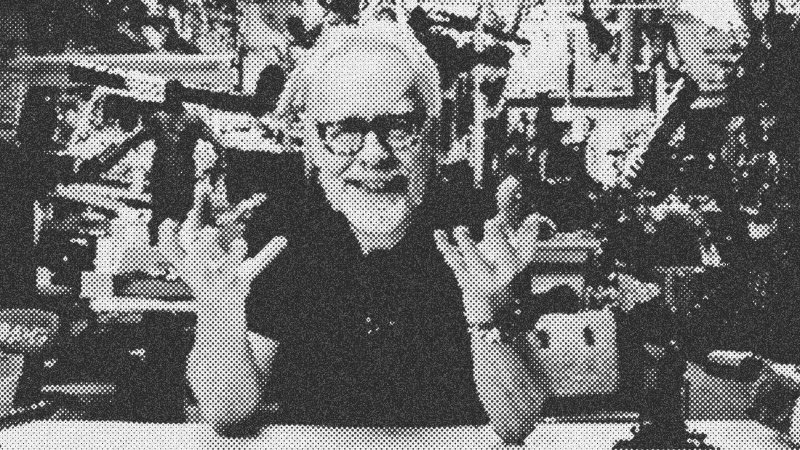
Practical research in the digital trenches
For those of us scouring the Replica Prop Forum for build specs, the struggle is real. Savage’s approach to research is pure blue-collar engineering: treat information like a raw material. He advocates for a "fire hose" phase—shoveling every PDF, image, and forum thread into a local directory before even attempting to organize. By logging search terms in Evernote and using Google with Boolean operators to bypass weak internal site searches, you create a searchable archive that survives even when forum links die or Photobucket watermarks ruin the view.
The maker mindset shift
Stop trying to protect your work with giant watermarks and start focusing on the transmission of knowledge. Being a builder is about the shared satisfaction of bringing a machine to life. Whether you are explaining a ballistic trajectory or documenting a 70-page prop build, your goal is to make the movement from explanation to understanding as linear as possible. Don't let the obsession with technical perfection prevent you from actually landing the idea.
- Adam Savage
- 11%· people
- Adobe
- 11%· companies
- Chris Rock
- 11%· people
- Evernote
- 11%· software
- GitHub
- 11%· websites
- Other topics
- 44%
Why Are Guns Oversimplified in Science Series?
WatchAdam Savage’s Tested // 11:07

Adam Savage’s Tested is a content platform and community playground for makers and curious minds. On Tested.com, the highly- engaged Tested YouTube channel, and at conventions and events, dynamic makers share ideas and inspire each other to build their obsessions. Led by Adam Savage, the Tested team explores the intersection of science, popular culture, and emerging technology, showing how we are all makers. Adam also takes viewers behind the scenes of films, TV shows, theater, and museums, shining a spotlight on the craftspeople and artists who make the magic we all enjoy. Tested is also: Norman Chan, Joey Fameli, Josh Self, Kristen Lomasney and Thomas Crenshaw.