Forging Protection: The Complex Engineering of Medieval Horse Armor
The Symbiotic Engineering of Horse and Rider
Building a high-performance machine requires a deep understanding of the operator's needs. In the medieval era, that machine was a living, breathing warhorse. These animals represented a massive investment in breeding and training, often costing more than a nobleman's entire estate. Protecting that investment meant developing sophisticated plate armor, but designers faced a brutal engineering constraint: mobility. Unlike a human who can be reasoned with, a horse will simply refuse to perform if its gear is restrictive or painful. The development of the Bard, or full horse armor, was a masterclass in balancing defensive thickness with the biological requirements of a sensitive animal.
Chaffrons and the Psychology of the Battlefield
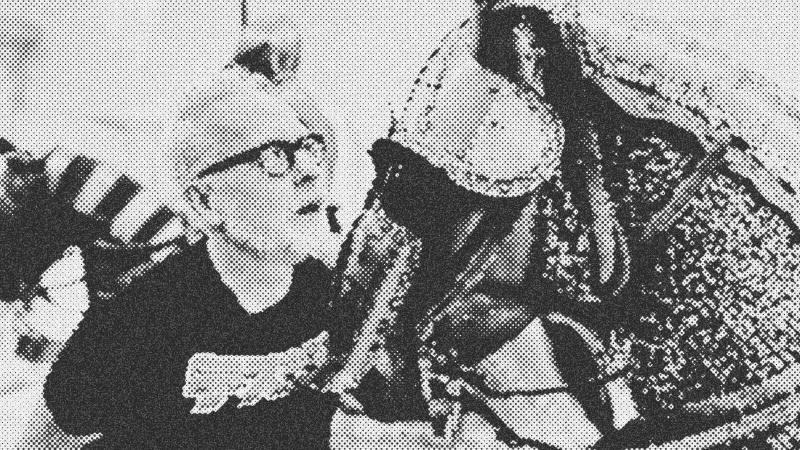
The Chaffron served as the primary helmet for the horse, yet its designs varied wildly based on the intended use. One of the most striking examples at the Metropolitan Museum of Art is a 15th-century steel chaffron sculpted into the likeness of a dragon. This wasn't just vanity; it was psychological warfare and theater. By transforming a horse into a mythical beast with a steel snout and etched scales, the rider projected absolute power during festivals and tournaments.
In contrast, the "blind chaffron" reveals a darker side of medieval engineering. These pieces featured no eye holes, intentionally blinding the horse to prevent it from shying away during the violent impact of a German joust. Training a horse to gallop into a collision while blind and deaf—often aided by bells attached to the ears—required months of desensitization, proving that the hardware was only as effective as the software (the horse's training) allowed.
The Articulated Crinet: A Masterpiece of Internal Leathering
If you want to see real mechanical genius, look at the Crinet, the articulated plates protecting the horse's neck. While most armor pieces are static shells, the crinet must move with the animal's constant head adjustments. Marina Viallon highlights a rare piece attributed to King Henry VIII that retains its original 16th-century leathering.
The technical brilliance lies in the spacing. The plates are attached to internal buff leather strips with such precision that they do not touch when the horse is at rest. This eliminates friction and noise, only allowing the plates to slide over one another at maximum extension or compression. It is a preloaded suspension system made of steel and hide, ensuring the king's mount remained as agile as it was invulnerable.
The High Cost of Aesthetic Superiority
We often fixate on the steel, but the most expensive component of a warhorse’s kit was frequently the textiles. A full garniture often included
- Adam Savage
- 14%· people
- Bard
- 14%· products
- Chaffron
- 14%· products
- Crinet
- 14%· products
- King Henry VIII
- 14%· people
- Other topics
- 29%
Adam Marvels Over REAL Medieval Horse Armor! (at @metmuseum)
WatchAdam Savage’s Tested // 20:06

Adam Savage’s Tested is a content platform and community playground for makers and curious minds. On Tested.com, the highly- engaged Tested YouTube channel, and at conventions and events, dynamic makers share ideas and inspire each other to build their obsessions. Led by Adam Savage, the Tested team explores the intersection of science, popular culture, and emerging technology, showing how we are all makers. Adam also takes viewers behind the scenes of films, TV shows, theater, and museums, shining a spotlight on the craftspeople and artists who make the magic we all enjoy. Tested is also: Norman Chan, Joey Fameli, Josh Self, Kristen Lomasney and Thomas Crenshaw.