How subtle design changes across MCU films redefined Thor's signature weapons
The evolution of physical screen props in Marvel's early phase
When we look back at the dawn of the Marvel Cinematic Universe in 2011, we see the foundation of a modern visual mythology. Early hero costumes, like those worn in Thor and Captain America: The First Avenger, did not rely solely on digital wizardry. Instead, physical prop fabrication defined the aesthetic.
Prop collector Dan Lanigan and filmmaker Adam Savage recently analyzed several screen-used Marvel artifacts, pulling back the curtain on how these items survive off-camera. While a costume looks like absolute jewelry on screen, close-up inspections reveal the hard choices made by physical fabricators. For instance, the urethane rubber used in the sleeves of Thor's original costume inevitably degrades, whereas the main metal plates remain pristine.
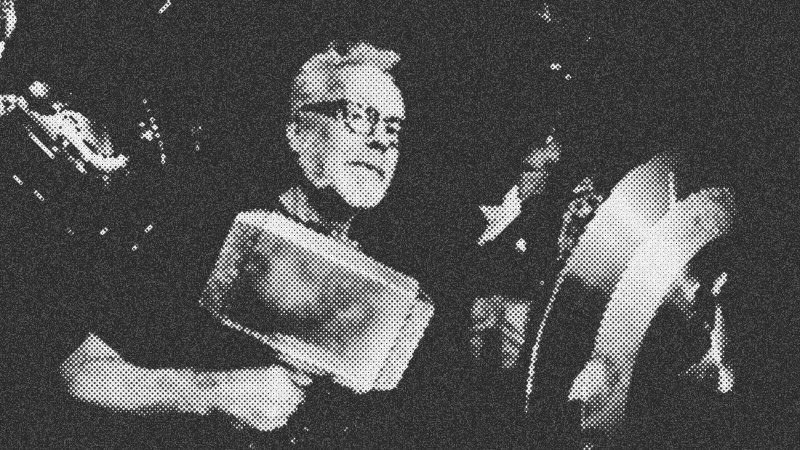
Deciphering the shifting anatomy of Mjolnir
For prop makers and replica artists, the concept of a single "canon" design is often an illusion. The design of Mjolnir morphed constantly from movie to movie to match the vision of different directors and the physical demands of different actors.
In the original 2011 film, director Kenneth Branagh leaned into a smaller, more petite hammer. This design drew inspiration from artist Walt Simonson's comic run. The handle featured a simple leather wrap and possessed no heavy pommel at all. By the time Joss Whedon took the reins for the first Avengers film, the art department wanted something more formidable. They enlarged the hammer head, sharpened the Nordic runes, and added a heavy, stylized pommel. Later iterations went even further, adopting an authentic Celtic, Norse-mythology-inspired look with alternating rings of loose leather and metal down a thicker handle.
The technical adaptation of Jane Foster's hammer
Prop design must also accommodate the real-world preferences of the cast. When Jane Foster wielded a reconstructed Mjolnir, the prop team faced practical hurdles.
Because actress Natalie Portman is a vegan, the production could not use real leather on the handle. The prop department fabricated the grip out of painted urethane instead. Additionally, they scaled the hammer head down to make the actress appear larger and more imposing on screen. This tiny detail shows how physical props act as tools for forced perspective.
The raw presence of Stormbreaker
When Thor transitioned to Stormbreaker, the design challenges shifted from Norse engraving to organic, asymmetrical sculpting. This massive axe-hammer, famously featuring a handle made from Groot's own arm, required a blend of materials.
Prop master Russell Bobbitt oversaw the creation of several versions, including a heavy rubber stunt head paired with a highly detailed, wood-textured hero handle. For closeups where actor muscle tension was vital, the team built a solid, cast-aluminum version. The sheer weight forced Chris Hemsworth's muscles to flex naturally, translating real physical effort directly onto the screen.
- Adam Savage
- 7%· people
- Captain America: The First Avenger
- 7%· movies
- Chris Hemsworth
- 7%· people
- Dan Lanigan
- 7%· people
- Groot
- 7%· people
- Other topics
- 64%
The Differences Between All of Thor's Hammers in the MCU
WatchAdam Savage’s Tested // 18:18

Adam Savage’s Tested is a content platform and community playground for makers and curious minds. On Tested.com, the highly- engaged Tested YouTube channel, and at conventions and events, dynamic makers share ideas and inspire each other to build their obsessions. Led by Adam Savage, the Tested team explores the intersection of science, popular culture, and emerging technology, showing how we are all makers. Adam also takes viewers behind the scenes of films, TV shows, theater, and museums, shining a spotlight on the craftspeople and artists who make the magic we all enjoy. Tested is also: Norman Chan, Joey Fameli, Josh Self, Kristen Lomasney and Thomas Crenshaw.