The Weaver’s Abandonment: Finding Grace in Unfinished Work
The Weight of the Craft
Every maker eventually encounters a project that feels less like a creation and more like a predator. It drains the spirit, outpaces the imagination, and leaves the artisan adrift. We often treat these moments as moral failures rather than natural pauses in a lifelong apprenticeship with materials. When a project becomes a source of defeat, the traditional craftsperson must look beyond the object to the internal state of the maker.
The Fallacy of Sunk Cost
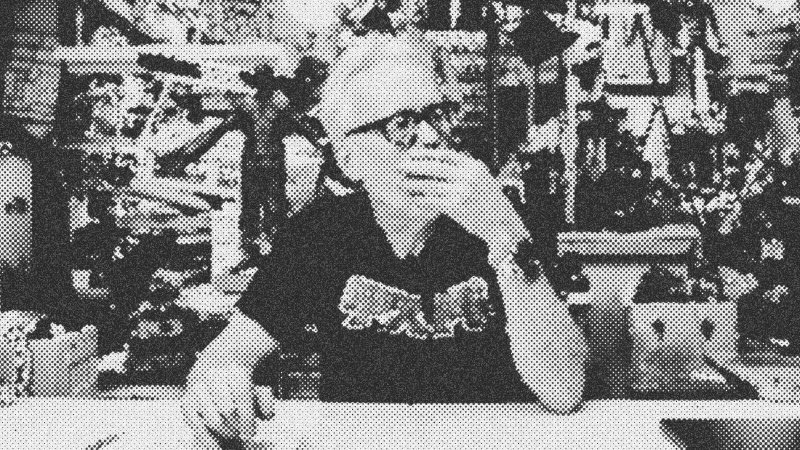
In the workshop, time is a finite resource. We often fall into the trap of throwing good hours after bad, convinced that persistence alone will redeem a flawed foundation. However, Adam Savage notes that building something twice frequently takes less time than forcing a single, broken piece to perfection. Scrapping work isn't an admission of weakness; it is a vital muscle. Developing the discipline to start from scratch ensures that the final piece reflects your current mastery, not your past mistakes.
The Power of Strategic Abandonment
Sometimes, the wisest course is to park a project indefinitely. We carry the heavy burden of our to-do lists, yet we forget that we are the sole arbiters of our own permission. Placing a project on a shelf with its notes allows the mind to clear. Years later, you may return with a new technique—much like the decade-long wait for the right mill to complete the Crouching Tiger Hidden Dragon Sword—and find the path that was once obscured.
Cultivating the Gentle Mindset
Craft is a conversation with the self as much as the material. We are products of our failures more than our successes. To go easy on oneself is not to lower standards, but to acknowledge the human condition. When you allow yourself to be defeated by a project without guilt, you preserve the joy necessary for the next creation. This grace is the ultimate tool in any artisan's kit.
- Adam Savage
- 17%· people
- Crouching Tiger Hidden Dragon Sword
- 17%· products
- Gwen Maker of Things
- 17%· people
- John Kabat-Zinn
- 17%· people
- Star Wars
- 17%· movies
- The Matrix
- 17%· movies
What Adam Savage's Dad Thought of His Star Wars Work
WatchAdam Savage’s Tested // 11:13

Adam Savage’s Tested is a content platform and community playground for makers and curious minds. On Tested.com, the highly- engaged Tested YouTube channel, and at conventions and events, dynamic makers share ideas and inspire each other to build their obsessions. Led by Adam Savage, the Tested team explores the intersection of science, popular culture, and emerging technology, showing how we are all makers. Adam also takes viewers behind the scenes of films, TV shows, theater, and museums, shining a spotlight on the craftspeople and artists who make the magic we all enjoy. Tested is also: Norman Chan, Joey Fameli, Josh Self, Kristen Lomasney and Thomas Crenshaw.