Mastering the Build: Pro-Grade Props and Material Sourcing Secrets
Building high-end props doesn't require a government contract or a bottomless bank account. It requires a deep understanding of materials and the grit to push through the messy stages of fabrication. Whether you're hunting for specialized resins or trying to replicate a lunar aesthetic, the difference between a toy and a masterpiece lies in the execution.
The Myth of Universal Material Access
Many builders assume the United States is a land of infinite hardware, but Adam Savage points out that availability is often dictated by local environmental laws. While MythBusters appeared to have every relay and adhesive at its fingertips, reality is more localized. In the United Kingdom, shops like Weta Workshop utilize radical vacuum-casting techniques for monolithic molds, whereas many US shops like Legacy Effects have stuck to traditional silicone blanket molds. Your build is always held hostage by your geography.
Achieving the High-Gloss Apollo Aesthetic
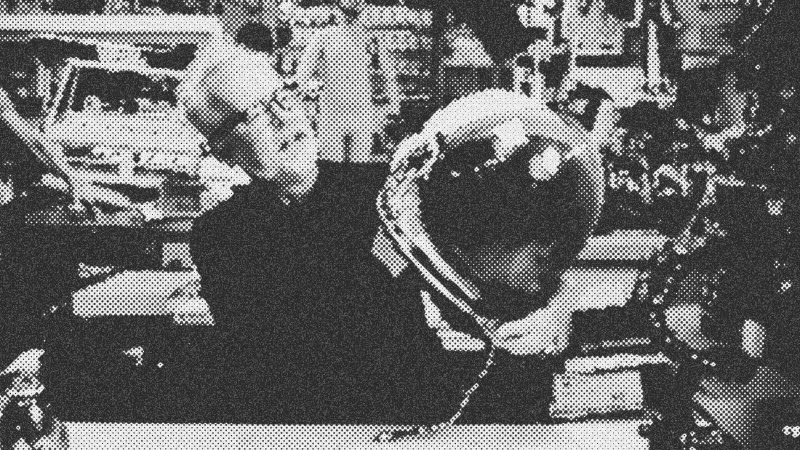
To sell the illusion of an industrial space helmet, surface finish is everything. If you are 3D printing a helmet with filament, you'll face visible layer lines. The secret to a professional finish without "NASA money" is 2K spray paint. This two-part system includes a hardener and a color base, creating a thick, robust coat that levels out imperfections. It's a race against time—once mixed, the paint hardens in hours—but the result is a glass-like finish that mirrors professional automotive work.
The Art of Intentional Weathering
Once you achieve that perfect gloss, the next step is to ruin it. Real NASA equipment is rarely pristine; it's battered, dusty, and worn. Applying a black wash—painting a dark pigment into the cracks and wiping away the excess—adds instant history. Using crushed walnuts to simulate grit in the crevices can transform a 3D-printed prop into a piece of hardware that looks like it survived a lunar landing.
Honoring the Legends of Sculpting
Great props are built on the foundations laid by masters like Matt Rose, the legendary sculptor behind the Predator and Hellboy. His work, such as the original maquette of Ron Perlman as Hellboy, showcases a level of delicacy that modern digital tools struggle to replicate. Whether it's a pulse rifle from Predator: Badlands or a hero shotgun from The Expanse, studying these physical sculpts is the best way to improve your own craftsmanship.
- Adam Savage
- 7%· people
- Hellboy
- 7%· movies
- Legacy Effects
- 7%· companies
- Matt Rose
- 7%· people
- MythBusters
- 7%· tv shows
- Other topics
- 67%
Were There Advantages to MythBusters Being a U.S. Show?
WatchAdam Savage’s Tested // 9:33

Adam Savage’s Tested is a content platform and community playground for makers and curious minds. On Tested.com, the highly- engaged Tested YouTube channel, and at conventions and events, dynamic makers share ideas and inspire each other to build their obsessions. Led by Adam Savage, the Tested team explores the intersection of science, popular culture, and emerging technology, showing how we are all makers. Adam also takes viewers behind the scenes of films, TV shows, theater, and museums, shining a spotlight on the craftspeople and artists who make the magic we all enjoy. Tested is also: Norman Chan, Joey Fameli, Josh Self, Kristen Lomasney and Thomas Crenshaw.