The Meticulous Craft of the Sequel Trilogy: Reconstructing Star Wars Icons
The Legacy of Design in the Sequel Era
Film production relies on a visual language that communicates history without a single word of dialogue. In Star Wars: The Force Awakens, the production team faced the daunting task of bridging the gap between the sleek aesthetic of the prequels and the weathered, "used universe" of the original trilogy. Designers like Brandon Alinger note that this era leaned heavily on unused Ralph McQuarrie concept art, ensuring every new prop felt like a lost relic from the 1970s.
The Snowtrooper: A Masterclass in Resin Casting
The First Order Snowtrooper helmet exemplifies the technical evolution of prop making. While it appears simple, the internal construction reveals a two-part mold process of incredible complexity. Most production helmets use slush casting, but this specific hero version features a polyurethane plast material poured into a fiberglass mother mold. This technique maintains rigid detail but introduces a hidden danger: brittleness. Using urethane resin with fiberglass chop is a volatile pairing; the two materials don't bond effectively, making the prop prone to shattering if dropped. Furthermore, these white resins are highly susceptible to UV degradation, requiring strict archival conditions to prevent yellowing.
The Graflex Riddle: Rebuilding Luke's Lightsaber
Perhaps no prop carries more weight than Luke Skywalker's lightsaber. For its return, the prop department returned to the "found object" roots of the franchise. The hilt utilizes genuine Graphlex camera flash handles from the 1940s and 50s. However, a distinct signature marks the Star Wars: The Force Awakens version: the center clamp. Unlike the vintage chrome-plated originals, this clamp features a warmer, brushed alloy finish. This suggests the production team either manufactured a custom piece to remove the "Graphlex" branding or sourced high-fidelity replicas from the dedicated fan community to ensure a pristine look for close-ups.
Implications of the Found-Object Aesthetic
This reliance on vintage hardware creates a scarcity market. Components like the Graphlex flash or specific 1970s turntable knobs have transitioned from basement clutter to high-value cinematic ephemera. This practice anchors the fantasy of Star Wars in reality, using the weight and tactile temperature of real-world materials to convince the audience of the galaxy's authenticity.
- Graphlex
- 18%· companies
- Star Wars: The Force Awakens
- 18%· movies
- Adam Savage
- 9%· people
- Brandon Alinger
- 9%· people
- Lucasfilm
- 9%· companies
- Other topics
- 36%
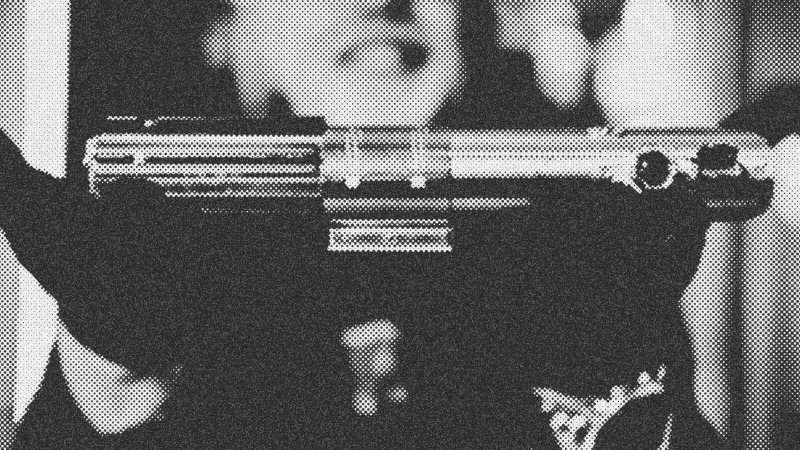
How Luke's Lightsaber Was Rebuilt for Star Wars: The Force Awakens
WatchAdam Savage’s Tested // 8:59

Adam Savage’s Tested is a content platform and community playground for makers and curious minds. On Tested.com, the highly- engaged Tested YouTube channel, and at conventions and events, dynamic makers share ideas and inspire each other to build their obsessions. Led by Adam Savage, the Tested team explores the intersection of science, popular culture, and emerging technology, showing how we are all makers. Adam also takes viewers behind the scenes of films, TV shows, theater, and museums, shining a spotlight on the craftspeople and artists who make the magic we all enjoy. Tested is also: Norman Chan, Joey Fameli, Josh Self, Kristen Lomasney and Thomas Crenshaw.