Inside the Machine: The Mechanical Soul of Jim Henson’s Creature Shop
Engineering the Fraggle Legacy
Building a machine is one thing; building a machine that breathes life into a character is a different beast altogether. When Adam Savage stepped back into Jim Henson Company, the focus wasn't just on nostalgia. It was about the cold, hard engineering required to expand the Fraggle Rock universe for the special The First Snow of Fraggle Rock. The shop faced a unique challenge: creating the Princess Baby Gorg, a character that had to bridge the gap between the massive walk-around suits of the Gorgs and the nimble hand-operated Fraggles.
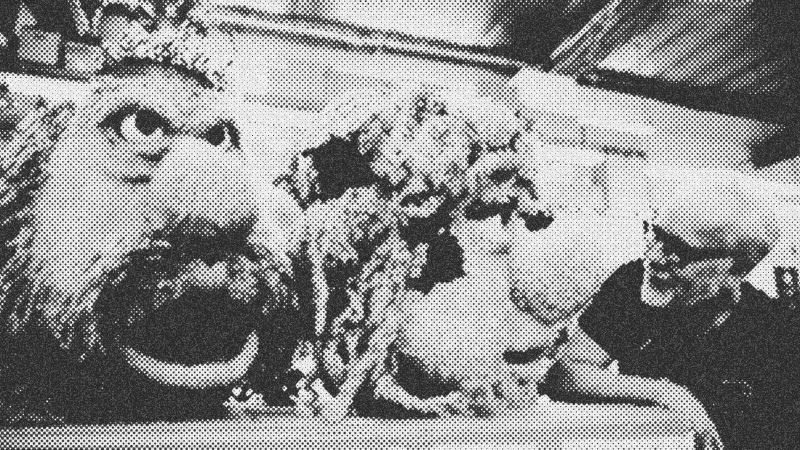
This isn't just felt and foam. It’s a masterclass in hybrid technology. The team had to deliver a "Hero" puppet for close-up expressions and a "Robo Baby" for wide shots. For a hardware geek, the Robo Baby is a marvel—a self-contained unit with a robotic arm for head movement and independent leg-kicking servos. It allows a puppeteer to operate from a distance, removing the human footprint from the frame while maintaining the illusion of life.
Mechanical Evolution and Modern Upgrades
There’s a certain reverence in the shop for legacy hardware. Scott Johnson revealed that the current Ma Gorg and Pa Gorg puppets actually utilize the original rattan frames from the 1980s. Rattan remains the gold standard because it is incredibly light and resilient—essential when a performer has to balance a massive head on a bicycle helmet for hours. However, the internals have seen a massive tech overhaul.
In the original series, the puppeteers relied on bulky TV cameras tucked inside the heads, counterbalanced by actual bags of pennies. Today, those have been swapped for lightweight FPV monitors and high-torque servos. The upgrade allowed the team to add tracking eyes and full blinks—features the original Gorgs lacked because the camera gear occupied all the available space. It’s a perfect example of how shrinking components allows for greater artistic expression without increasing the physical burden on the operator.
The Puppet as a Performance Interface
Working with a puppet like the Princess Baby Gorg is less like acting and more like operating a complex human-machine interface. John Tartaglia explains that every puppet has its own "language" dictated by its physical constraints. A Fraggles might have a flexible rubber mouth plate that allows for extreme contortion, while a character like Sprocket uses a harder mouth plate that requires the puppeteer to use head tilts and ear triggers to convey emotion.
Building a new character from scratch means finding those limitations in real-time. The shop uses 3D printing more frequently now to prototype these internal skeletons, but the final "skinning" remains a tactile, hand-crafted process. The friction between the internal mechanical limits and the external aesthetic skin is where the character is born. If the fabric is too tight, the servos burn out; if it’s too loose, the character looks lifeless. It’s a balancing act of tension and torque.
The Symbiotic Rhythm of Collaborative Puppetry
Perhaps the most fascinating aspect of Jim Henson Company is the "unspoken connection" required for multi-operator puppets. High-end characters often require a primary puppeteer for the mouth and voice, an assistant for the right hand, and another for the animatronic eyes. This isn't just teamwork; it’s a shared consciousness.
John Tartaglia compares it to a jazz band or a high-stakes improv set. The assistant must anticipate the lead's movements without verbal cues. If the lead tilts the head down in a pensive sigh, the eye operator must instinctively drop the eyelids to match the beat. This level of synchronization is why legacy partnerships, like the one between Tartaglia and Karen Prell, are so vital. They’ve spent decades learning each other’s rhythms, allowing them to operate a single machine as if it were a single organism.
Conclusion: The Future of the Craft
The visit to the shop proves that the DIY spirit is alive and well in professional animatronics. While we see more 3D printing and advanced RC systems, the core of the work remains pragmatic and resourceful. Whether it's matching 40-year-old "bunny fur" or repurposing a rattan frame, the goal is always the same: building a machine that makes you forget it's a machine. As the Gorgs dynasty expands, the blend of old-school craftsmanship and modern hardware continues to set the standard for what's possible when you build with your own hands.
- Gorgs
- 17%· people
- Fraggles
- 11%· people
- Jim Henson Company
- 11%· companies
- John Tartaglia
- 11%· people
- Adam Savage
- 6%· people
- Other topics
- 44%
Adam Savage Visits Jim Henson's Creature Shop!
WatchAdam Savage’s Tested // 32:47

Adam Savage’s Tested is a content platform and community playground for makers and curious minds. On Tested.com, the highly- engaged Tested YouTube channel, and at conventions and events, dynamic makers share ideas and inspire each other to build their obsessions. Led by Adam Savage, the Tested team explores the intersection of science, popular culture, and emerging technology, showing how we are all makers. Adam also takes viewers behind the scenes of films, TV shows, theater, and museums, shining a spotlight on the craftspeople and artists who make the magic we all enjoy. Tested is also: Norman Chan, Joey Fameli, Josh Self, Kristen Lomasney and Thomas Crenshaw.