The Philosophy of the Scowl: Lessons from the Machine Shop
The Silent Language of the Lathe
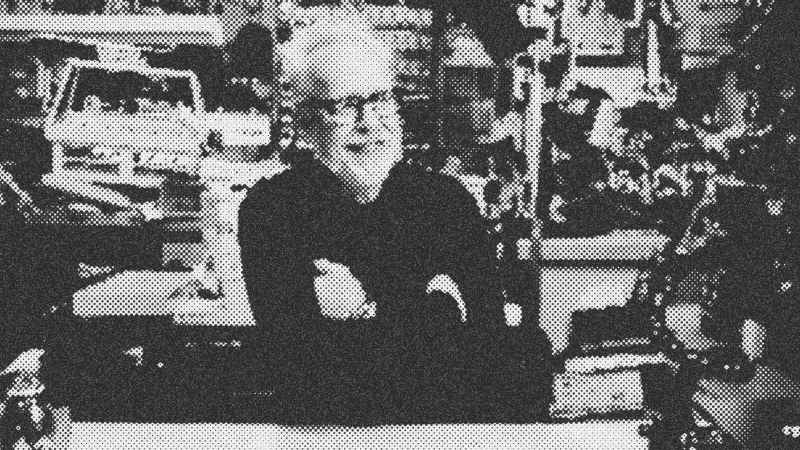
I didn't always realize when I was being mentored. In the early 90s, while working under Chico McMerry in San Francisco’s machine art scene, I was just a kid eager to cut metal. My friend and I once hit a hilarious impasse over a new lathe: he wanted to draw plans, while I just wanted to throw a chunk of aluminum in and start making chips. That raw enthusiasm eventually led me to Chris Rand. Chris was a quiet, masterful machinist who taught me through nothing but facial expressions. I would set up a job on the mill, look over, and he’d scowl. I’d tear it down, try again, and wait for the scowl to soften. That silent feedback built my intuition for metal, clamping, and precision.
Solving Problems Under Pressure
The most impactful mentor for my special effects career was Mitch Romanowski, the man who ran the model shop for The Nightmare Before Christmas. Mitch was a force of nature who taught me that a film crew is essentially an army of problem solvers on their feet. I watched him and Jamie Hyneman handle catastrophic failures on set with incredible sangfroid. When a prop failed during a shoot, Jamie didn't take it personally. He simply offered the director three distinct plans to get moving again. Seeing that detachment—treating a failure as a data point rather than a defeat—changed how I approach every build.
The Power of the Dumb Solution
Jamie Hyneman is one of the most natural engineers I’ve ever met, largely because he refuses to trust his own intuition. He is purely empirical. He’d challenge me on the most basic facts, which drove me bananas, but it made his mechanical problem-solving brilliant. His greatest lesson? Never throw out the dumb solution. If you can solve a problem with popsicle sticks, rubber bands, and boogers, do that first. I often fall victim to being too clever for my own good, but Jamie’s "dumb" approach usually wins. It’s about the result, not the ego of the process.
- Adam Savage
- 6%· people
- Amorphic Robot Works
- 6%· organizations
- Bicentennial Man
- 6%· movies
- Chico McMerry
- 6%· people
- Chris Rand
- 6%· people
- Other topics
- 69%
The Key Lesson Adam Savage Learned From Jamie
WatchAdam Savage’s Tested // 11:03

Adam Savage’s Tested is a content platform and community playground for makers and curious minds. On Tested.com, the highly- engaged Tested YouTube channel, and at conventions and events, dynamic makers share ideas and inspire each other to build their obsessions. Led by Adam Savage, the Tested team explores the intersection of science, popular culture, and emerging technology, showing how we are all makers. Adam also takes viewers behind the scenes of films, TV shows, theater, and museums, shining a spotlight on the craftspeople and artists who make the magic we all enjoy. Tested is also: Norman Chan, Joey Fameli, Josh Self, Kristen Lomasney and Thomas Crenshaw.