Rudolph raises $15 million by swapping $10,000 golf for $10 sweepstakes
Why Elite Athletes are Swapping Gala Nights for Scalable Software
Charitable giving is broken. For decades, the industry relied on golf tournaments, silent auctions, and high-dollar galas. These events demand months of planning, consume massive operational overhead, and shut out everyday donors. When the pandemic hit in 2020, this fragile model collapsed overnight.
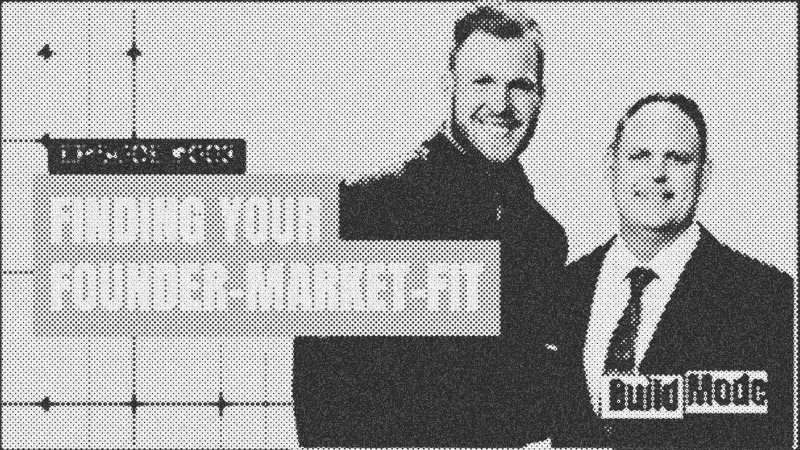
Enter Kyle Rudolph, a 12-year NFL veteran, and Jon Walburg, a veteran sales leader. Together with NHL player Jason Zucker, they recognized that traditional fundraising could not scale. They built Altru, a professional fundraising platform designed to democratize charitable giving. By replacing elite $10,000 golf outings with accessible $10 sweepstakes, they transformed a local charity initiative into a venture-backed startup. Their journey on the TechCrunch podcast Build Mode, hosted by Isabelle Johannessen, offers a raw look at founder-market fit, early scaling mistakes, and the power of strategic networks.
The Failure of the Ten Thousand Dollar Ticket
Before launching their tech startup, the co-founders ran a charity called Athletes for Minnesota Kids. The premise was simple: partner with professional athletes to raise money using traditional methods. Their marquee event was an exclusive golf tournament costing $10,000 per foursome.
While the event successfully raised $130,000 in its first year, it revealed glaring systemic issues. The planning process felt like a grueling full-time job. It required six months of intensive coordination, project management, and high-friction sales. When the team set a goal to raise $200,000 the following year, the 2020 pandemic forced them to cancel everything. Revenue dropped to zero.
This crisis forced a radical realization. It is exponentially easier to convince 10,000 regular people to give $10 than to secure one donor willing to write a $10,000 check. Zucker had previously proven this micro-donation concept by raising $1.2 million for a children's hospital through crowdfunding. The team took this concept, sketched a business plan in a Minnesota coffee shop, and launched their web platform six months later.
Inside the Hybrid Social Impact Engine
Altru operates as a dual-engine machine: a consumer software platform and a licensed professional fundraiser. This structure allows them to sit at the intersection of celebrity influence, high-value sweepstakes, and compliant charitable giving.
Raising Money is a Marketing Challenge
Most non-profit organizations face a structural paradox. If they spend money on marketing, watchdog groups penalize their efficiency ratings. This restriction stunts their growth.
Altru solves this by acting as a third-party, for-profit engine. The platform takes on the marketing risk, builds the digital infrastructure, and distributes the final proceeds to the charities. This setup allows them to acquire donors at scale. According to internal data, over 94% of the platform’s participants are donating to their chosen charity for the very first time. Winners take home sports cars or custom celebrity experiences, while the charities secure a fresh pipeline of highly engaged recurring donors.
The Danger of Outsourcing Early Corporate Vision
Success came fast, and with it came a dangerous trap. In its first year, Altru secured an official partnership with the National Football League to run 32 simultaneous campaigns for the Walter Payton Man of the Year award. Operating with just two founders and a part-time intern, the team pulled off a massive operational feat, raising half a million dollars.
Exhilarated by this early win, the founders made a classic mistake: they scaled their team before nailing their long-term operational model. Believing they lacked the specialized corporate experience to grow a major tech platform, they hired a large, expensive team and stepped back from daily operations. This move led to an immediate identity crisis and a cash drain. The lesson was sharp and immediate: you cannot outsource your core product vision to external hires. The founders had to step back into active leadership, realign the business, and wait for revenue to catch up with their overhead.
Democratizing Access to Celebrity Culture
The true defensive moat of this model is not just celebrity access; it is regulatory compliance and execution. The company is registered as a professional fundraiser, navigating complex legal requirements across different states.
This operational complexity makes it difficult for copycat startups to replicate their success. For celebrities, the platform offers a low-effort, high-impact way to support causes without managing the operational administrative burden of a private foundation. It turns star power into immediate, scalable social impact.
Building Your Own Network Without a Super Bowl Ring
You do not need a professional sports career to build a high-octane company. The core lesson of founder-market fit is about finding and leaning into your unique, unfair advantage.
Every founder possesses specialized knowledge. Whether you are an expert in medical technology, logistics, or software architecture, you must turn that expertise into public influence. Share your insights on digital channels, educate your target market, and actively place yourself in rooms where you are challenged. Your network is your net worth, but it requires deliberate construction. Find your edge, design a scalable solution, and refuse to let traditional models dictate your ceiling.
- Altru
- 13%· companies
- Build Mode
- 13%· podcasts
- Isabelle Johannessen
- 13%· people
- Jason Zucker
- 13%· people
- Jon Walburg
- 13%· people
- Other topics
- 38%
Celebrity Co-Founders Not Required: Building Influence from Scratch l Build Mode
WatchTechCrunch // 34:29

TechCrunch is a leading technology media property, dedicated to obsessively profiling startups, reviewing new Internet products, and breaking tech news.