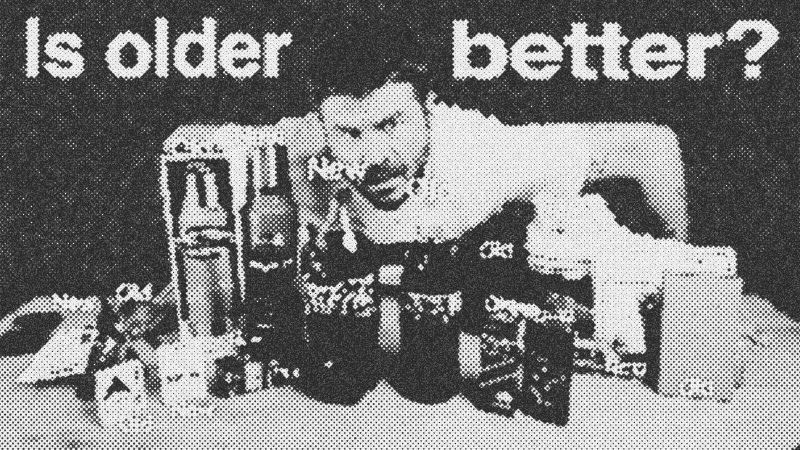
The Quality Myth: Do They Really Not Make 'Em Like They Used To?
We have all heard the trope. Our grandparents insist that a toaster bought in 1960 would outlast a modern marriage, while today’s appliances are designed to self-destruct the moment the warranty expires. It is a compelling narrative of decline. However, a rigorous side-by-side comparison of products from the mid-1970s and their 2025 counterparts reveals a much more nuanced reality. The truth is not that quality has vanished; it is that we have traded consistency for an overwhelming abundance of choice.
wrenches to modern entry-level versions, the old steel initially appears superior. The vintage adjustable wrench maintains its grip with far less "back off" or movement in the gears than a modern $23 set. But here is the catch: that vintage set, when adjusted for inflation, originally cost nearly $95. When you compare that $95 investment to a modern high-end equivalent from
, the modern tool actually outperforms the relic. The gear action is tighter, and the precision is measurable. The "decline" in quality is often just a decline in what we are willing to spend. We now have access to ultra-cheap tiers of products that simply did not exist fifty years ago.
patented the safety razor, the company has stayed ahead by stacking features—swivel heads, moisture strips, and five-blade cartridges. While these are often dismissed as gimmicks to protect patents, the physical experience tells a different story. Shaving with a vintage single-blade safety razor requires the precision of an artist; it is tactile and prone to nicks. Modern razors offer a mindless, smooth experience. Here, the "quality" is found in convenience and safety, even if the vintage aesthetic feels more substantial in the hand.
. Originally a staple of mid-century factory floors, the brand has recently morphed into a lifestyle phenomenon. Yet, despite the trendy new colors and the massive
and a brand-new model performed almost identically, holding water at approximately 154 degrees Fahrenheit. This suggests that some engineering reached its peak decades ago, and modern manufacturing has, at the very least, maintained that high-water mark rather than cutting corners for the sake of the bottom line.
from the 1970s featured heavier canvas and significantly more weight than today's standard pairs. To get that same heavy-duty feel today, you have to seek out specific vintage-spec lines. This highlights the modern consumer's burden: research. We no longer live in a world where the only available option is the "good" option. We are surrounded by "cheap" options, and we often mistake their existence for the disappearance of quality. If you want 1970s durability, it is still available—you just have to pay 1970s prices and look past the disposable versions cluttering the shelves.
serves as a warning. While it remained carbonated and "safe," the flavor had turned into something unrecognizable. Time changes everything, but in the world of manufacturing, the "good old days" are often still here—they just require a bigger budget and a more discerning eye.