Nissan at the Brink: A Tactical Breakdown of Survival Strategies
The Legacy of Project 901
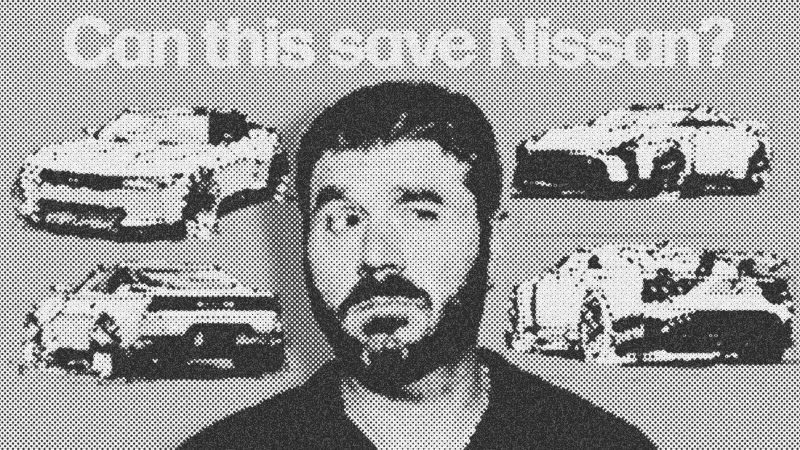
In 1989, Nissan stood at the summit of automotive engineering. The launch of the R32 Nissan Skyline GT-R was not an isolated event; it was the crown jewel of Project 901, an internal mandate to make Nissan the global leader in technology and performance by the 1990s. This era produced icons like the Nissan S13 Silvia and the Nissan Z32 300ZX, establishing a reputation for mechanical audacity. However, this pursuit of greatness came with a hidden cost. While enthusiasts cheered, the company bled capital, operating at a loss for nearly a decade and accumulating $38 billion in debt by 1999.
The Armchair CEO: Three Hypothetical Paths
When a titan falters, the public naturally engages in strategic speculation. The first path involves reclaiming the golden era. This strategy suggests reviving names like the Nissan Pulsar GTI-R and building a Toyota GR86 killer. By establishing a high-performance halo, the brand gains "track-cred" that theoretically trickles down to consumer models. The logic mirrors the Harley-Davidson turnaround of the 1980s, which focused on heritage roots to restore reliability and sales.
The second path is tactical emulation. This involves mimicking the reliability-first approach of Toyota or the value-focused model of Hyundai. While effective in industries like streaming—seen with Disney+ following Netflix—it carries the risk of the "Zune Effect." If the product is only marginally better and lacks a distinct identity, it fails to convert loyalists from the market leader.
The final hypothetical is radical innovation. Rather than looking back or sideways, Nissan could pivot to unprecedented ecosystems, much like how Spotify changed music consumption through a new business model rather than a better marketplace. However, visionary swings require perfect foresight; many manufacturers that pledged to go fully electric by 2030 are now retreating as market realities shift.
Performance Breakdown: The "RE:Nissan" Reality
Nissan's actual plan, spearheaded by CEO Ivan Espinoza, abandons enthusiast romanticism for cold corporate survival. Dubbed RE:Nissan, the plan focuses on aggressive cost-cutting and portfolio consolidation. The tactical moves include slashing 20,000 jobs and closing design studios in the US and Brazil. Operationally, Nissan is reducing its vehicle platforms from 13 down to seven, prioritizing high-volume, high-margin models like the Nissan Rogue and various pickup trucks.
Critical Moments and Strategic Impact
A pivotal moment in this restructuring is the closure of the historic Oppama Plant in Japan. This move signals a shift away from heritage toward lean manufacturing. By targeting a 70% reduction in parts variants, Nissan aims for faster time-to-market and cheaper supplier contracts. While these moves are financially defensive, they risk alienating the brand's core identity. If Nissan becomes a manufacturer of "white goods on wheels" through partnerships with Renault and Mitsubishi, it may survive as a business but perish as a legend.
Future Implications for the Brand
The long-term viability of Nissan hinges on whether it can find a middle ground between bankruptcy and boredom. While the company is keeping the Nissan Z alive, the heavy focus on SUVs and electric amalgamations for Southeast Asia suggests a brand in transition. To regain its former glory, Nissan must eventually translate its corporate savings into a product that captures the spirit of Project 901 without the fiscal irresponsibility that nearly ended the company thirty years ago.
- Carlos Ghosn
- 5%· people
- Disney+
- 5%· products
- Harley-Davidson
- 5%· companies
- Hyundai
- 5%· companies
- Ivan Espinoza
- 5%· people
- Other topics
- 74%
The Plan to Save Nissan
WatchSpeeed // 21:54

Cars. Life. Technology. www.speeed.co Business Inquiries: [email protected] Other Inquiries: [email protected]