SpaceX IPO targets $2 trillion valuation as mania signals potential market top
The Gravity of a $2 Trillion Debut
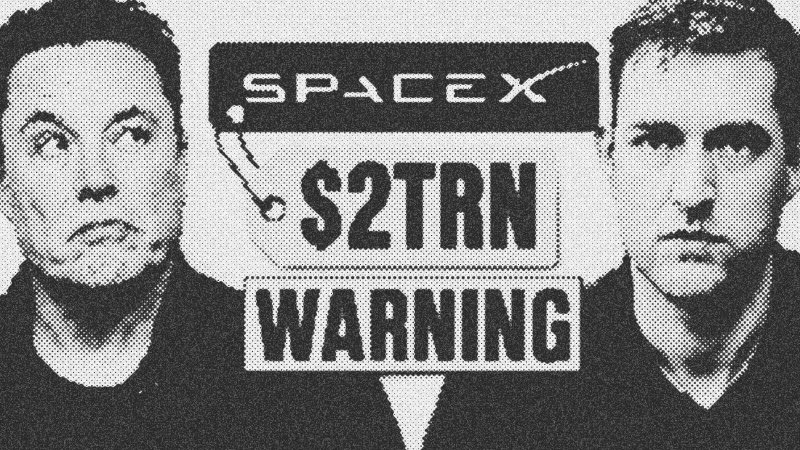
SpaceX is preparing to launch the largest Initial Public Offering in history, targeting a valuation between $1.75 and $2 trillion. To understand the scale, this single entity would be worth more than the entire FTSE 100 or the German DAX combined. While the engineering feats of Starlink and reusable rockets are undeniable, the financial metrics demand a sober assessment. At these levels, the company would list at a price-to-sales ratio near 100x, whereas the S&P 500 averages roughly three times sales.
History serves as a stern reminder that even revolutionary businesses can be poor investments if the entry price ignores fundamental reality. The upcoming summer floatation is not just a corporate milestone; it represents a massive liquidity drain. Raising $50 to $70 billion in fresh capital requires institutional investors to source funds from elsewhere, often by trimming winning positions in the Magnificent 7 or broader AI sectors. This shift can trigger a feedback loop of selling pressure across the wider market.
Echoes of the Dot-Com Peak
Parallel patterns often emerge during periods of speculative fervor. In March 2000, Cisco Systems became the most valuable company in the world. Like SpaceX, it was a "picks and shovels" play, providing the essential infrastructure for the internet. Despite real growth and dominance, its stock price collapsed 88% after the peak. Investors who bought at the top waited over 25 years just to break even on a nominal basis.
This cycle of "silly prices" meeting ferocious sentiment is currently playing out in secondary markets. Platforms like Forge Global and Equity Zen report private shares trading at massive premiums, with accredited investors accepting murky ownership structures just to secure a pre-IPO stake. When the demand is described as "bonkers" and retail allocations are set at record highs, it often indicates that institutional buyers have pushed back on the price, leaving the public to provide exit liquidity for early insiders.
Identifying the Stages of Distribution
Prudent wealth management requires recognizing when a market shifts from advancement to distribution. Stan Weinstein famously categorized market movements into four stages: basing, advancing, distribution, and declining. We are currently observing signs of Stage 3 distribution—heavy volume selling near all-time highs and momentum that fails to produce higher highs despite positive headlines.
Technical indicators, such as a stock breaking its 200-day moving average while that average flattens or rolls over, serve as critical warning signs. While SpaceX may be a generational company, it is listing into an environment defined by valuation froth and retail mania. These are the hallmarks of a market top, where the cumulative weight of warning signs begins to overwhelm the narrative of endless growth.
Strategies for Capital Preservation
Navigating this landscape requires a shift from aggressive accumulation to thoughtful cultivation. Sustainable growth is built on the discipline of knowing when to step back. Investors should focus on three primary actions to protect their portfolios from a potential generational reset.
Implement Rigorous Trading Plans
Hope is not a strategy. Every position must have a predetermined exit point or stop-loss. Without a written plan, investors often freeze during a drawdown, convinced a bounce is imminent, only to capitulate at the bottom. Risk management is the only factor within an investor's absolute control; the market's direction is not.
Proactive Rebalancing and Trimming
If AI-related exposure or large-cap tech positions have doubled in recent years, they likely represent a concentration risk. Trimming winners to bank profits and redeploying into cash or less crowded sectors is a hallmark of professional asset management. Selling early may feel uncomfortable, but it is infinitely preferable to selling too late.
Identifying Unloved Opportunities
While the media focuses on the stratosphere, value often resides in the corners of the market that are currently ignored. Small-cap stocks and unloved sectors often trade at their most attractive valuations when capital is heavily concentrated in the most expensive names. Diversifying into these areas provides a buffer against the potential decline of the high-fliers.
A Consultative Outlook
Wealth is not merely about identifying the next big thing; it is about surviving the inevitable corrections that follow periods of mania. The SpaceX IPO will likely be the financial event of the decade, but its success as a business does not guarantee its success as an entry point for your capital. Maintain clarity, prioritize liquidity, and remember that the most resilient portfolios are those built with a margin of safety that survives the hype.
- SpaceX
- 19%· companies
- Aston Martin
- 5%· companies
- Brad Johnson
- 5%· people
- Cisco Systems
- 5%· companies
- DAX
- 5%· indices
- Other topics
- 62%
Elon Musk's SpaceX IPO Could Be The Top
WatchMichael Taylor // 31:16

If you're sick of melts with rented supercars and fake demo account P&Ls all spouting the same dumb phrases like "buy low, sell high", as if they're a reincarnated Steve Jobs back to offer morsels of business gold that we should be thankful for, then my channel is for you. I've been trading UK stocks for a living since 2016 ever since I borrowed £25,000 from Deutsche Bank. The goal of my channel is to help you grow your wealth without the bulls hit. Nothing is financial advice and is my opinion only. You can get started investing with a free share when you open an XTB account. Use code: MICHAEL https://www.xtb.com/en/join/MICHAEL XTB offers a Stocks & Shares ISA with 0% commissions on both stocks and ETFs, and pays out 4.25% interest on uninvested cash. Limited availability. Your capital is at risk. The value of the stock may fluctuate. T&Cs apply.