The Twilight of Tawantinsuyu: When Worlds Collided in the Andes
A Sentinel at the Edge of the World
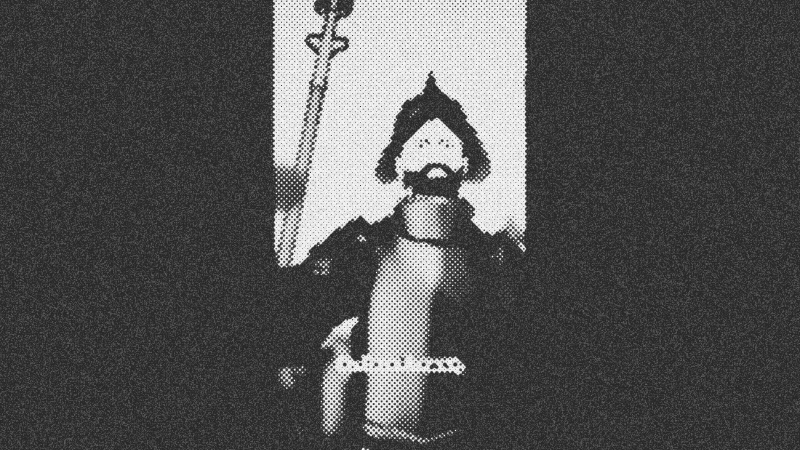
High upon the jagged spine of the Andes, 14,000 feet above the crashing surf of the Pacific, an Inca warrior stood watch in November 1532. He looked out over a landscape defined by fractal terracing and the scars of internal strife. The Inca Empire was not a monolith in this moment; it was a fractured giant, bleeding from a brutal civil war that had turned fertile valleys into smoldering ruins. This sentinel represented the eyes of an ancient order, yet nothing in his ancestral memory could prepare him for the silhouette emerging from the horizon.
The Apparition of the Iron-Clad
What appeared was a small company of 168 men, yet their presence felt seismic. These were the Conquistadors, led by the ruthless Francisco Pizarro. To the Inca observer, they were nightmares made flesh: men with sun-scorched skin and strange red beards, encased in metal that caught the harsh mountain light. Most terrifying were the beasts they rode—creatures never before seen in the Americas—moving with a speed and power that seemed supernatural. These were not mere travelers; they were the harbingers of a total cultural eclipse.
The Capture of the Divine Sun
This small force moved with a singular, lethal purpose toward Atahualpa, the Sapa Inca. The encounter was not a battle of equals but a surgical strike that exploited the empire's internal fractures. Francisco Pizarro acted with a terrifying audacity, seizing the divine emperor in a move that paralyzed the entire Inca administrative machine. By imprisoning the man who was seen as a living god, the Spanish didn't just capture a leader; they decapitated a civilization, claiming the vast riches and territories of the Andes for a distant Christian king they would never meet.
A Legacy of Melodrama and Loss
The fall of the Inca Empire remains one of history's most potent tragedies. It serves as a stark reminder of how quickly the "unimaginable" can become the inevitable. The collision of these two worlds was a horror story written in gold and blood, a melodrama where the stakes were nothing less than the survival of a unique human narrative. We learn that empires, no matter how vast or sophisticated, are often most vulnerable not to external force alone, but to the moment their internal unity fails them just as the stranger arrives at the gate.
- Francisco Pizarro
- 22%· people
- Inca Empire
- 22%· organizations
- Andes
- 11%· places
- Atahualpa
- 11%· people
- Conquistadors
- 11%· people
- Other topics
- 22%
How the Incas felt when they met the Spanish
WatchThe Rest Is History // 1:21

Take a deep dive into History’s biggest moments with Tom Holland & Dominic Sandbrook. Explore the stories of History’s most brutal rulers, deadly battles, and world-changing events. From the rise and fall of the Roman Empire, the Nazi conquest of Europe, and Hitler’s evil master plan for world domination, to the French Revolution, the sinking of the Titanic, or the Norman Conquest of England in 1066, Tom and Dominic bring the past to life with gripping storytelling and expert analysis, as they unpack the high-drama moments that shaped our world.