How to Convert a Can-Am Renegade into a Remote-Control Monster
Engineering a High-Stakes Transformation
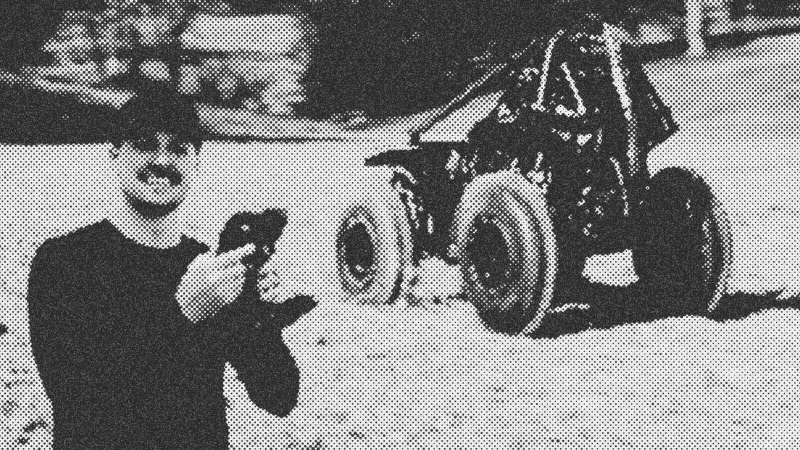
Converting a full-sized ATV into a functional remote-control vehicle requires more than just standard electronics; it demands a fusion of mechanical fabrication, robotics, and adaptive programming. This guide explores the process of transforming a
Tools and Materials Needed
To replicate this build, you need a mix of industrial hardware and hobbyist electronics. A
Step-by-Step Instructions
- Strip and Interface Controls: Remove the factory plastic covers to expose the mechanical linkages. Prioritize the shifter and throttle. For the shifter, replace complex linkages with a direct-drive servo to move between Reverse, Neutral, and High.
- Install the Braking System: Fabricate a long lever arm for the brake pedal. This increases mechanical leverage, allowing a standard servo to overcome the hydraulic resistance of the Can-Am Renegade 1000braking system.
- Deploy the Steering Assembly: Mount a Stepper Motordirectly to the steering stem using aWorm Gearmultiplier. This specific gear choice is vital because it prevents back-driving, meaning the tires won't kick back and spin the motor when hitting obstacles.
- Integrate the Electronics: House the Microcontroller, relays, and receiver in a watertight enclosure. Wire the kill switch by tapping into the yellow ignition wire to ensure emergency shut-off capability.
- Program and Calibrate: Flash the code to the Microcontroller. You must tune variables like steps per revolution and current limits. High current doesn't always equal better performance; often, it leads to overheating and stalling.
Solving Steering Dynamics and Torque
Steering is the most complex hurdle in full-scale RC conversions. A standard motor lacks the low-end power to turn heavy off-road tires. By using a
Tips and Troubleshooting
If the steering motor stalls, reduce the current settings on the driver. Over-driving the motor can cause magnetic saturation and erratic behavior. For throttle response, ensure the servo travels in only one direction; you do not want the throttle to engage when you apply the brakes. If you face programming hurdles, use
Final Outcome
The result is a 100-horsepower robot capable of navigating terrain that would be dangerous for a human rider. Beyond the immediate thrill, this process creates a modular system. Once the protocols are written and the hardware mounting is standardized, these same electronics can be swapped into different vehicles, from excavators to trucks, proving that with the right logic and leverage, anything can be remote-controlled.