The Big Cycle: Realigning Your Portfolio with Global Shifts
The Anatomy of Global Shifts
Ray Dalio argues that history moves in a predictable Big Cycle. This isn't a random collection of events. It is a structured progression where monetary, political, and geopolitical orders rise and fall. Investors often fail because they focus on the immediate past. They ignore the deep historical patterns that dictate the success or failure of asset classes. Understanding this cycle provides the lens needed to see through the noise of daily market fluctuations.
Three Pillars of Change
The current shift rests on three specific pillars: the domestic political order, the international geopolitical order, and the monetary system. When these pillars wobble, the nature of risk changes. Internal conflict disrupts productivity and social stability. External conflict reshapes trade routes and alliances. Simultaneously, the monetary order determines the very value of the currency in which your assets are denominated. You cannot separate your investment strategy from these macro forces.
History as a Financial Map
History provides the only reliable roadmap for periods of high uncertainty. By studying how world orders changed in the past, we identify the analog signals of today. This isn't about predicting the exact day of a market crash. It is about understanding the environment. When the world order shifts, the rules of the game change. Assets that performed well in a period of peace and globalization often become liabilities during times of conflict and protectionism.
The Future Outlook
Adapting to the Big Cycle requires a fundamental shift in perspective. You must look beyond quarterly earnings and local economic data. The future of investing depends on your ability to recognize which stage of the cycle we occupy. Resilience comes from diversification across different jurisdictions and asset types that can withstand a breakdown in the traditional order. The goal is to survive the transition so you can thrive in the new era that follows.
- Big Cycle
- 40%· concepts
- Ray Dalio
- 20%· people
- The Changing World Order
- 20%· books
- World Order
- 20%· concepts
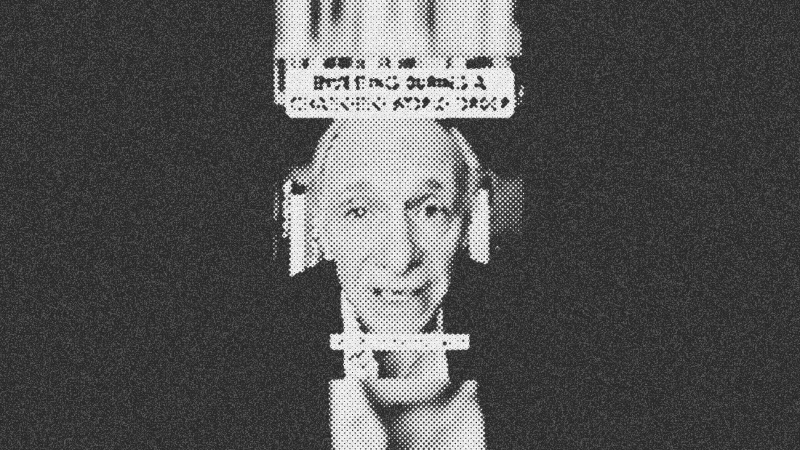
Investing During a Changing World Order
WatchPrinciples by Ray Dalio // 1:03

Ray Dalio founded and built the world’s largest hedge fund, Bridgewater Associates. He’s also the author of the #1 NYTimes Bestseller, Principles: Life and Work, Principles for Dealing with the Changing World Order, and How Countries Go Broke. He is known to have a very practical understanding of economics that is very different from conventional economic thinking that he spells out in his video series "How the Economic Machine Works