The Economic Inevitability: Debt, Assets, and the Fight for Control
Principles by Ray Dalio////2 min read
The Pendulum of Debt and Assets
Every successful capital market hinges on a delicate equilibrium. One person’s debt serves as another person’s asset, creating a symbiotic yet volatile relationship. To maintain this balance, must occupy a narrow corridor. Rates that climb too high crush the debtor under the weight of repayment, while rates that drop too low fail to compensate the creditor for their risk. When this balance shifts, the entire begins a predictable swing toward crisis.
The Gravity of Credit Cycles
We have seen this movie before because the script follows the laws of financial physics. When real interest rates hit zero or turn negative, the system triggers a massive expansion of . Cheap money encourages aggressive borrowing, inflating asset bubbles and saturating the market with liquidity. This isn't just a trend; it's a mechanical phase that eventually leads to inevitable losses as the cycle matures and the debt burden becomes unsustainable.
Centralization of Monetary Power
As the cycle reaches its breaking point, a classic shift occurs in the halls of power. The begins to exert tightening control over the . In a crisis, the luxury of independence vanishes. The two entities cannot afford to be at odds when the system faces a monetary meltdown. This consolidation of power represents a desperate bid for stability in a world defined by internal fights for dominance.
The Inevitable Struggle for Control
These dynamics aren't accidental. They must happen because of the inherent nature of . When a crisis hits, leaders like the naturally move to eliminate internal friction. The result is a high-stakes battle for control over who dictates the movement of money. Understanding these recurring patterns allows us to look past the headlines and see the underlying mechanics driving our financial future.
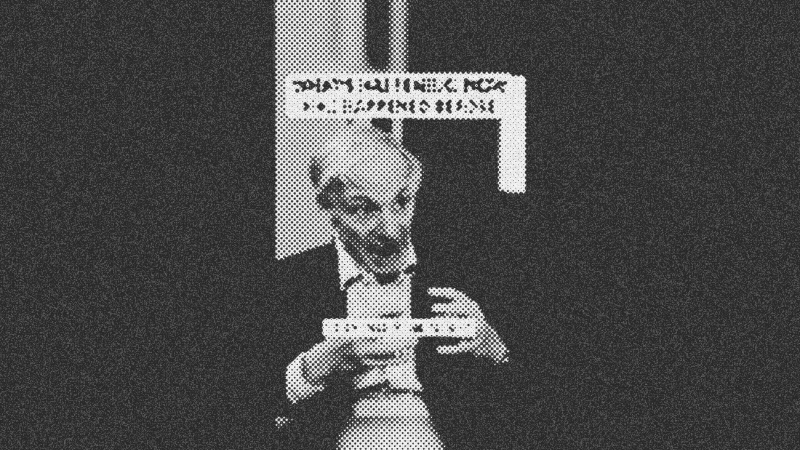
What's Happening Now Has Happened Before
WatchPrinciples by Ray Dalio // 1:45