The Mechanics of Choice: Mastering the Cause-Effect Engine
The Biological Processor
Decision-making is not a mystical process driven by gut feeling. It is a mechanical operation where the brain acts as a high-powered processor. Information enters the system and immediately encounters a set of filters—internal criteria that translate raw data into specific actions. Understanding this pipeline allows you to move beyond reactionary behavior and begin optimizing how you interface with the world.
The Logic of Cause and Effect
At the heart of every successful strategy lies the recognition of cause-effect relationships. Reality functions through a series of sequential triggers where specific precursors consistently lead to predictable outcomes. If you can identify the underlying cause, you possess a predictive window into the future effect. This analytical approach transforms Investing from a game of chance into a calculated pursuit of logic. You are no longer guessing; you are mapping the mechanics of reality.
Establishing a Strategic Edge
Gambling relies on luck, but professional success requires an edge. This edge emerges when your research and curiosity reveal relationships that others overlook. By diving into the mechanics of a market or a problem, you move from a passive observer to an active participant with a structural advantage. Success becomes a matter of applying these rigorous criteria consistently, ensuring that every bet is backed by a mechanical understanding of the environment.
The Power of Strategic Diversification
One of the most potent tools in managing these causal relationships is diversification. Most people mistake diversification for simply spreading money around, but it is actually a mathematical shield. By organizing a group of uncorrelated bets, you can drastically lower your risk profile without sacrificing your potential for high returns. This balance is the ultimate goal for anyone seeking long-term stability in a volatile world.
- Decision-making
- 20%· concepts
- Diversification
- 20%· concepts
- Investing
- 20%· concepts
- Nikhil Kamath
- 20%· people
- Ray Dalio
- 20%· people
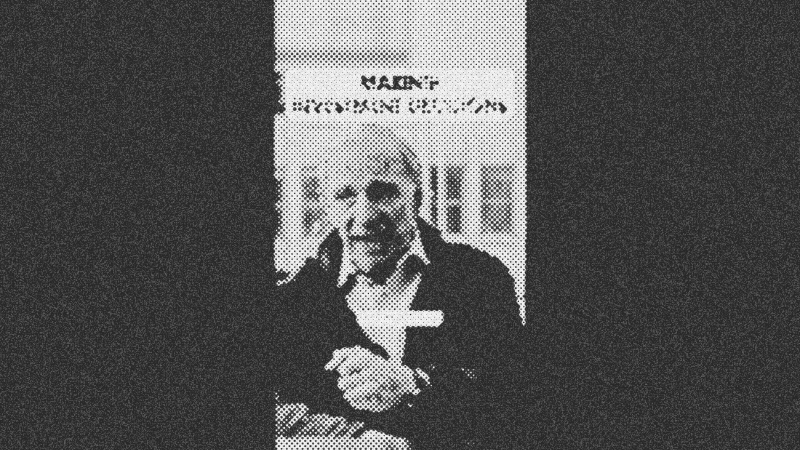
Making Investment Decisions
WatchPrinciples by Ray Dalio // 1:18

Ray Dalio founded and built the world’s largest hedge fund, Bridgewater Associates. He’s also the author of the #1 NYTimes Bestseller, Principles: Life and Work, Principles for Dealing with the Changing World Order, and How Countries Go Broke. He is known to have a very practical understanding of economics that is very different from conventional economic thinking that he spells out in his video series "How the Economic Machine Works