The Analog Revolution: Why Mechanical Keyboards are Obsolete
The Death of the Mechanical Switch
For decades, the Cherry mechanical switch reigned supreme as the gold standard for gaming. That era is over. Mechanical switches rely on a single physical contact point, creating a "void range" of travel that introduces unnecessary latency. Analog technology has dismantled this old guard by offering a night and day difference in responsiveness. When you're strafing in a high-stakes shooter, those extra frames of input lag are the difference between a headshot and a trip back to the lobby. The market reflects this shift; Cherry has seen a devastating drop in its stock price because they failed to innovate while the analog movement took hold.
Magnetic Precision and Hardware Evolution
Modern analog boards utilize various methods to track key depth, but Hall Effect and TMR (Tunneling Magnetoresistance) are the clear frontrunners. While Razer clings to Optical Switch and Ducky experiments with Inductive Switch, magnetic sensors offer superior customization. TMR represents the bleeding edge, utilizing quantum mechanics to achieve higher sensitivity and lower power consumption. However, Hall Effect remains the sweet spot for most builders due to its massive ecosystem of cross-compatible switches. These sensors turn a keyboard into a high-precision instrument rather than a mere typewriter.
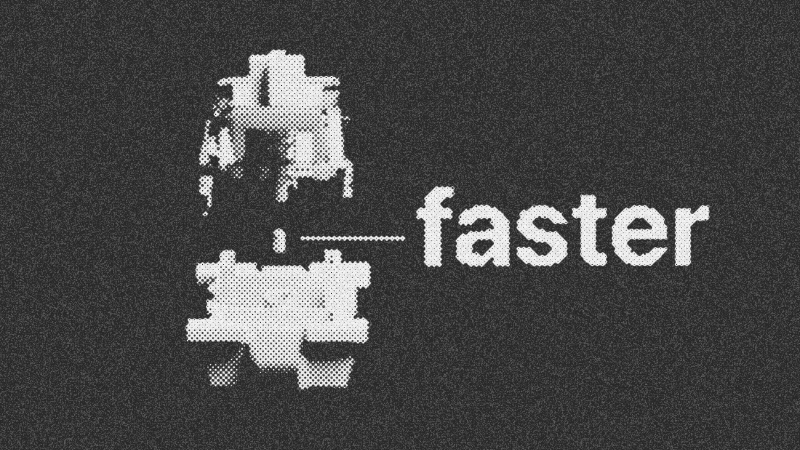
Software: The Competitive Edge
Hardware is only half the battle. The real magic happens in the firmware. Features like Rapid Trigger allow keys to reset the instant they move upward, facilitating inhumanly fast double-taps. Then there is SOCD (or Snap Tap), a feature so potent it was banned in Counter-Strike. It prioritizes the last pressed movement input, eliminating movement overlap entirely. For games like Apex Legends, DKS (DKS) allows a single press to register multiple actions, like looting four items at once. Without robust software to manage these complex data points, even the best analog switch is useless.
The New Custom Standard
The old critique that gaming keyboards sound like plastic garbage is dead. Custom Hall Effect boards like the Wooting 60HE have embraced the enthusiast hobby. We now have pre-lubricated switches, gasket mounts, and premium cases that rival any boutique mechanical build. You get the tactile satisfaction of a high-end custom machine paired with performance that mechanical switches simply cannot match. If you care about winning, the choice is settled: analog is the only path forward.
- Hall Effect
- 16%· technology
- Cherry
- 11%· companies
- TMR
- 11%· technology
- DKS
- 5%· features
- Ducky
- 5%· companies
- Other topics
- 53%
The mechanical switch is dead.
Watchoptimum // 14:40
