Redefining Research: Neuralink's Evolution in Animal Welfare
The Intersection of Innovation and Ethics
Modern neuroscience often faces a critical tension between the need for high-quality data and the ethical imperative to protect animal subjects. Neuralink has positioned itself at the center of this debate by attempting to transform laboratory environments into living spaces that prioritize comfort, agency, and joy. This shift represents a departure from traditional research models, aiming to treat animals as active participants rather than passive subjects.
Autonomy in Data Collection
One of the most significant hurdles in bio-electronic research is the physical process of gathering data. Historically, this required handling or restraining the animal. To solve this, engineers have integrated automated data centers directly into Home Spaces. This allows primates and other subjects to engage with research equipment on their own terms. When the animal chooses to participate, the data is captured naturally, reducing stress-induced variables that could otherwise skew neurological results.
Natural Integration of Technology
Maintaining an implant's battery life is a logistical challenge in long-term studies. Rather than manual charging sessions, the team developed charging coils embedded within naturalistic features like tree branches. An animal can simply walk up to a favorite spot in its enclosure to recharge its device. This seamless blend of technology and environment ensures that the expression of species-typical behaviors remains the top priority, supporting psychological well-being through environmental design.
The Shift to Voluntary Care
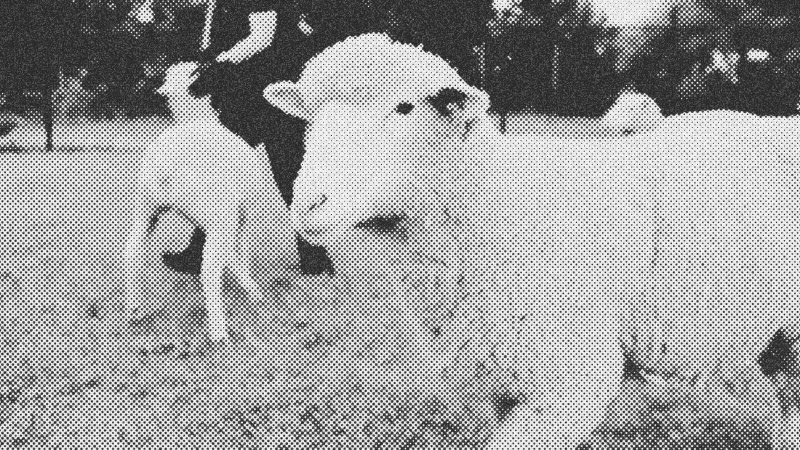
Medical oversight is non-negotiable, but the method of delivery is changing. By utilizing positive reinforcement training, Neuralink has enabled animals like sheep to volunteer for veterinary procedures. When an animal can predict the next step of a healthcare check-up, it eliminates the need for restraint. This approach relies on communication bonds where animals use specific cues to express preferences for foods or toys, fostering a relationship built on trust rather than control.
Reducing the Biological Footprint
The ultimate goal of welfare refinement is the reduction and eventual replacement of animal models. Engineers are currently developing sophisticated proxies—synthetic or digital alternatives—to answer complex biological questions without living subjects. While the mission to map the brain continues, these technological substitutes aim to minimize the number of animals required for breakthrough discoveries.
Animal Care at Neuralink 2022 Update
WatchNeuralink // 2:33
