Neuralink clinical trials help paralyzed patients regain speech and movement
The silence of a locked-in life often feels permanent, a biological barrier where intentions are trapped behind damaged nerves. For those living with quadriplegia or advanced ALS, the gap between thinking an action and executing it isn't just a frustration; it is an absolute wall. This is where the story of modern brain-computer interfaces begins, not in a lab with equations, but in the quiet rooms of patients who have lost the ability to command their own bodies. They are the pioneers of a technology that seeks to translate neural electrical storms into digital and physical motion.
Digital telepathy breaks the silence
For a person who is non-verbal and paralyzed, the computer screen becomes their only window to the world. The first iteration of this technology, a product dubbed Telepathy, allows users to bypass their broken nervous systems entirely. By focusing their thoughts, participants describe the sensation of moving a cursor across a screen as if it were a natural limb. It is a profound shift from being a passive observer to an active digital agent, allowing for communication that was previously impossible. One participant, who had been locked in, describes the experience as miraculous, regaining the ability to interact with a world that had effectively written him off.
Giving voice to the voiceless
ALS relentlessly strips away a person’s ability to speak, often leaving them isolated while their mind remains sharp. Kenneth, a trial participant, faced this encroaching silence until he began using a brain-computer interface to speak with his mind. This isn't just about text-to-speech; it is about reclaiming identity and the ability to participate in the mundane, beautiful moments of family life, like playing a game with his children. When Kenneth says, "I'm talking to you with my mind," it marks a turning point where technology serves as the ultimate prosthetic for the human soul.
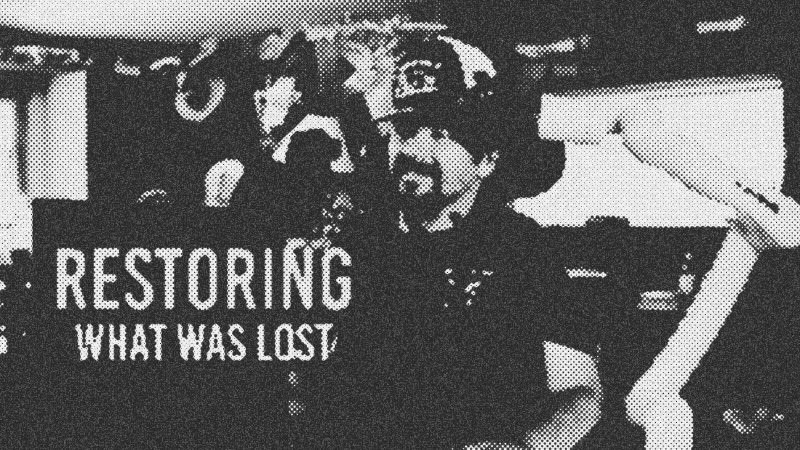
Moving steel with thought alone
The horizon of this technology extends beyond the digital screen into physical reality. The Convoy Team at Neuralink is currently bridging the gap between neural signals and robotic hardware. Participants have begun controlling assistive robotic arms with their thoughts, allowing them to gesture and move objects in three-dimensional space. The physical independence granted by moving a robotic axis via a brain implant provides a sense of autonomy that many thought was gone forever. It turns the "if" of daily tasks into a question of "how."
Sight and the sensory frontier
While moving and speaking are the current milestones, the next frontier aims to restore sensory input. The upcoming Blindsight project focuses on those with total vision loss, even in cases where the optic nerve is damaged. By bypassing the eyes and stimulating the brain directly, the goal is to create a new way to see. This journey from restoring movement to restoring sight suggests that the ceiling for neural integration is higher than previously imagined. The lesson learned from these early pioneers is that the human spirit remains ready to engage with the world, provided we can build the right bridge to reach it.
- Audrey
- 17%· people
- Blindsight
- 17%· products
- Convoy Team
- 17%· organizations
- Kenneth
- 17%· people
- Neuralink
- 17%· companies
- Telepathy
- 17%· products
From Neural Signals To Life-Changing Impact | Neuralink
WatchNeuralink // 2:47
